Serving Tarpon Springs and surrounding Pinellas County, 24/7 dispatch with a documented, written assessment before any work begins.
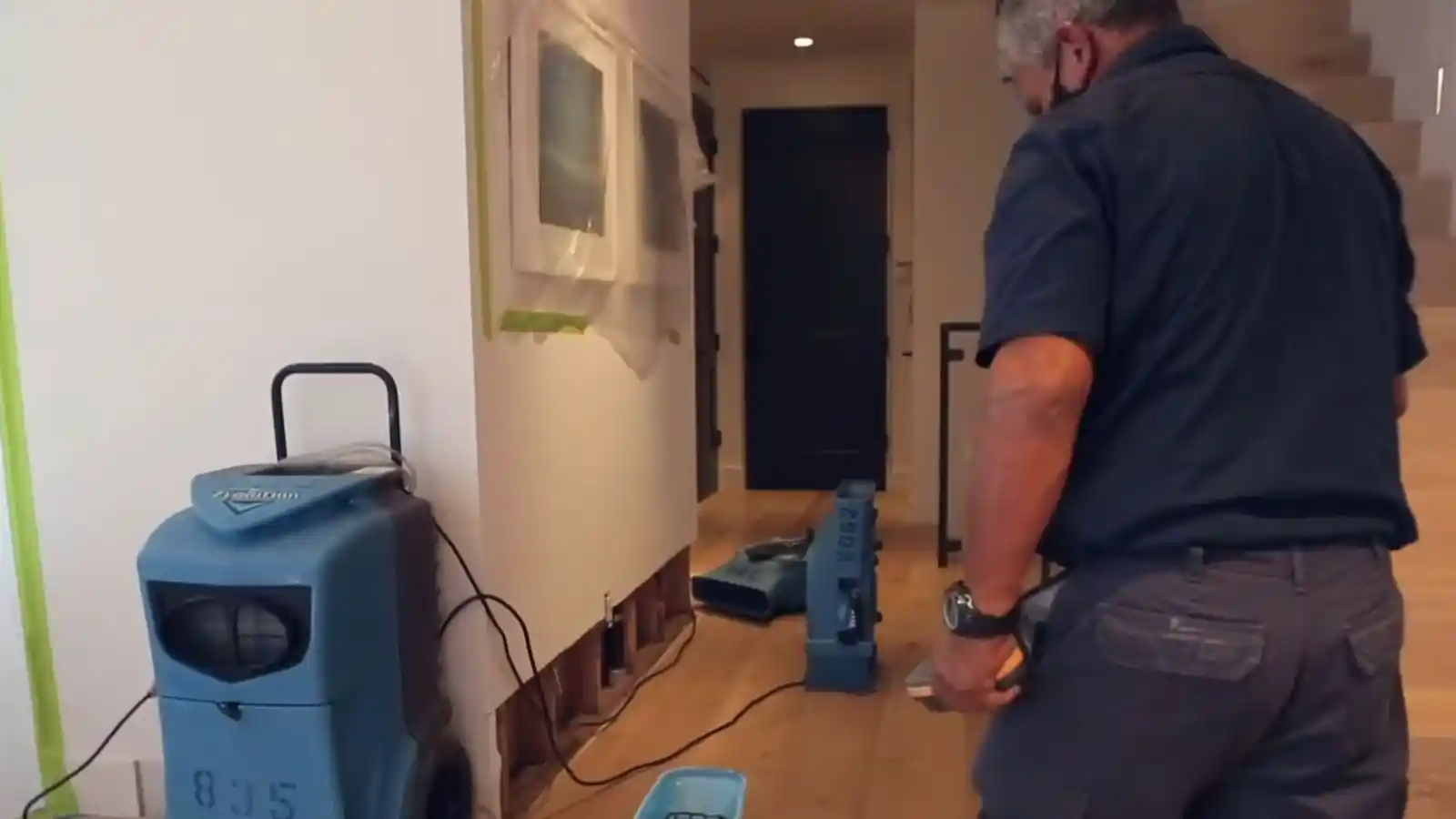
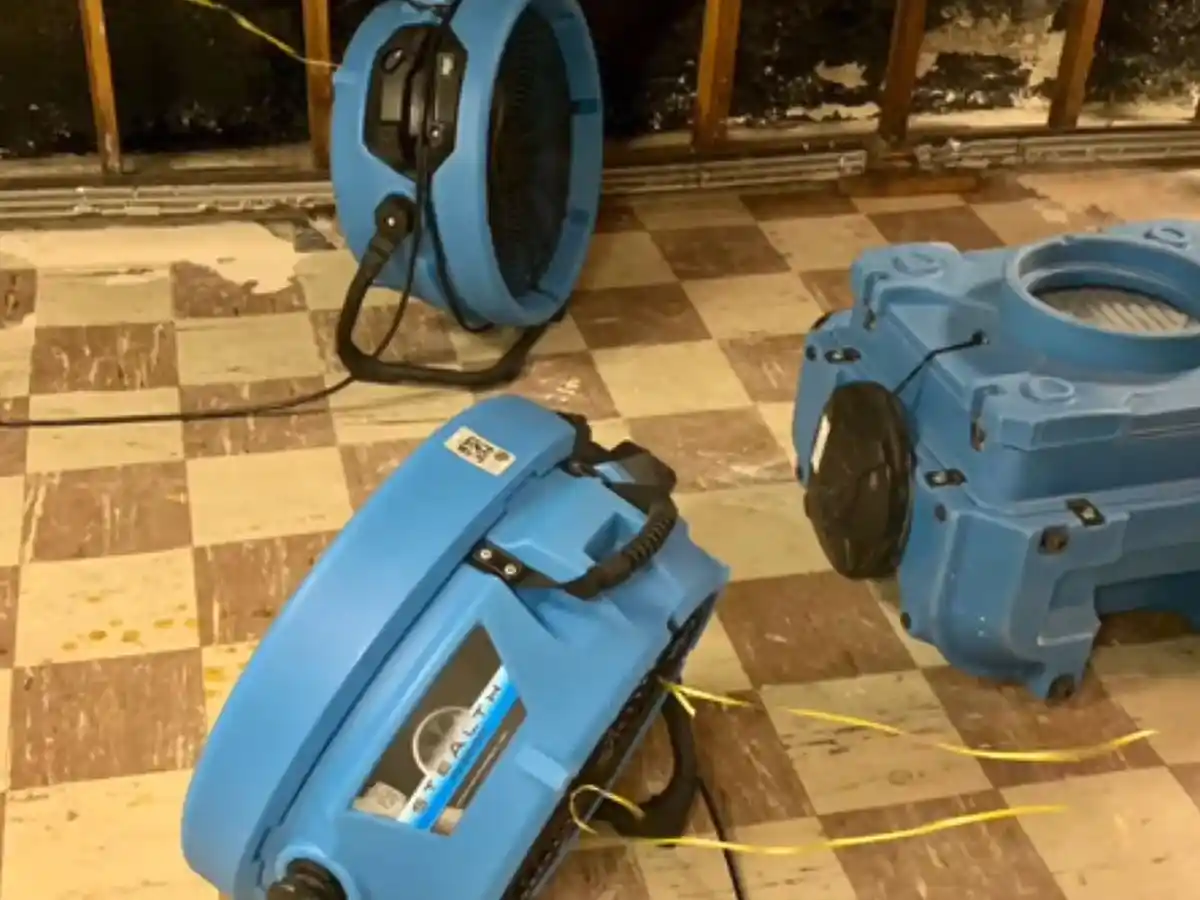
Extraction equipment isn't one-size-fits-all — truck-mounted units offer the strongest suction and are ideal for larger volumes of water with good vehicle access, while portable extraction units are used for spaces truck-mounted equipment can't reach, including upper floors, tight interior rooms, and some of the older, narrower homes in the historic district near Tarpon Avenue.
We choose equipment based on the property's layout and the volume of water involved, not a default setup, which matters in a city where housing stock ranges from modern construction near US 19 to century-old buildings in the historic district.
For multi-story properties, extraction sequencing matters — water on an upper floor often needs to be addressed before it continues seeping down into the level below, so we prioritize based on where the water is actively moving, not just where it's currently visible.
Extraction volume and duration are sometimes questioned on larger claims, so for bigger jobs we document approximate water volume removed and the equipment used, giving a clearer basis for the extraction line item than an estimate alone would provide.
Properties in the historic district with narrow lots and limited driveway access sometimes can't accommodate a full-size extraction truck, which is one of the more common reasons we deploy portable equipment there instead, even for a moderately large volume of water.
We confirm equipment choice with you before starting where there's a real tradeoff involved — for instance, portable equipment taking longer but avoiding truck access issues, rather than making that call unilaterally without your input.
Extraction wastewater itself is disposed of according to standard sanitation guidelines rather than simply drained on site, particularly for any water carrying contamination, which is a detail easy to overlook but matters for both compliance and basic property care.
We also consider flooring type when choosing extraction equipment and technique. Tile and other hard, sealed surfaces generally tolerate more aggressive extraction methods than natural hardwood or engineered flooring, which can be damaged by extraction equipment that's too aggressive for the material. We match extraction intensity to what the specific flooring can actually handle rather than using one standard approach everywhere.
A common misconception is that a wet-dry shop vacuum from a hardware store can substitute for professional extraction equipment. Consumer-grade equipment typically has far less suction power and a much smaller water tank, meaning what looks like a completed extraction job with a shop vacuum often leaves significantly more residual moisture in flooring and padding than professional equipment would, moisture that continues to support mold risk even though the surface looks dry.
We also recommend checking in with us if extraction equipment needs to remain on site longer than initially expected, since we can usually explain what's driving an extended timeline rather than leaving you to guess whether something has gone wrong.
Call now for immediate dispatch.
Visible pooling that needs removal before drying can begin.
Flooring feels soft or gives underfoot from trapped water.
Upper floors or tight spaces limiting equipment options.
Enough water that portable equipment alone would be too slow.
Determine water volume and best equipment for the space.
Truck-mounted or portable units set up for access.
Water removed as thoroughly and quickly as possible.
Space prepared for structural drying to follow.
 Cost Ranges
Smaller spaces or limited-access areas.
Larger volumes with good vehicle access.
Which equipment is used depends on the property's access and the water volume, not a fixed package.
Related ServicesThe broader water removal service this equipment supports.
The drying phase that follows extraction.
Truck-mounted units have stronger suction and are best for large volumes with vehicle access; portable units are used for upper floors, tight spaces, or where a truck can't reach.
Yes, extraction is dispatched 24/7 and is typically the first step taken on arrival, ahead of any assessment paperwork.
We generally prioritize the floor where water is actively moving downward first, to limit how much reaches the level below.
For larger jobs, yes — we note approximate volume and equipment used, which supports the extraction line item on a claim.
Narrow lots or limited driveway access, common in the historic district, sometimes can't accommodate a full-size extraction truck.
Yes, where there's a real tradeoff. Like truck access versus a longer portable extraction. We confirm the choice with you first.
According to standard sanitation guidelines rather than simply draining on site, especially for any contaminated water.