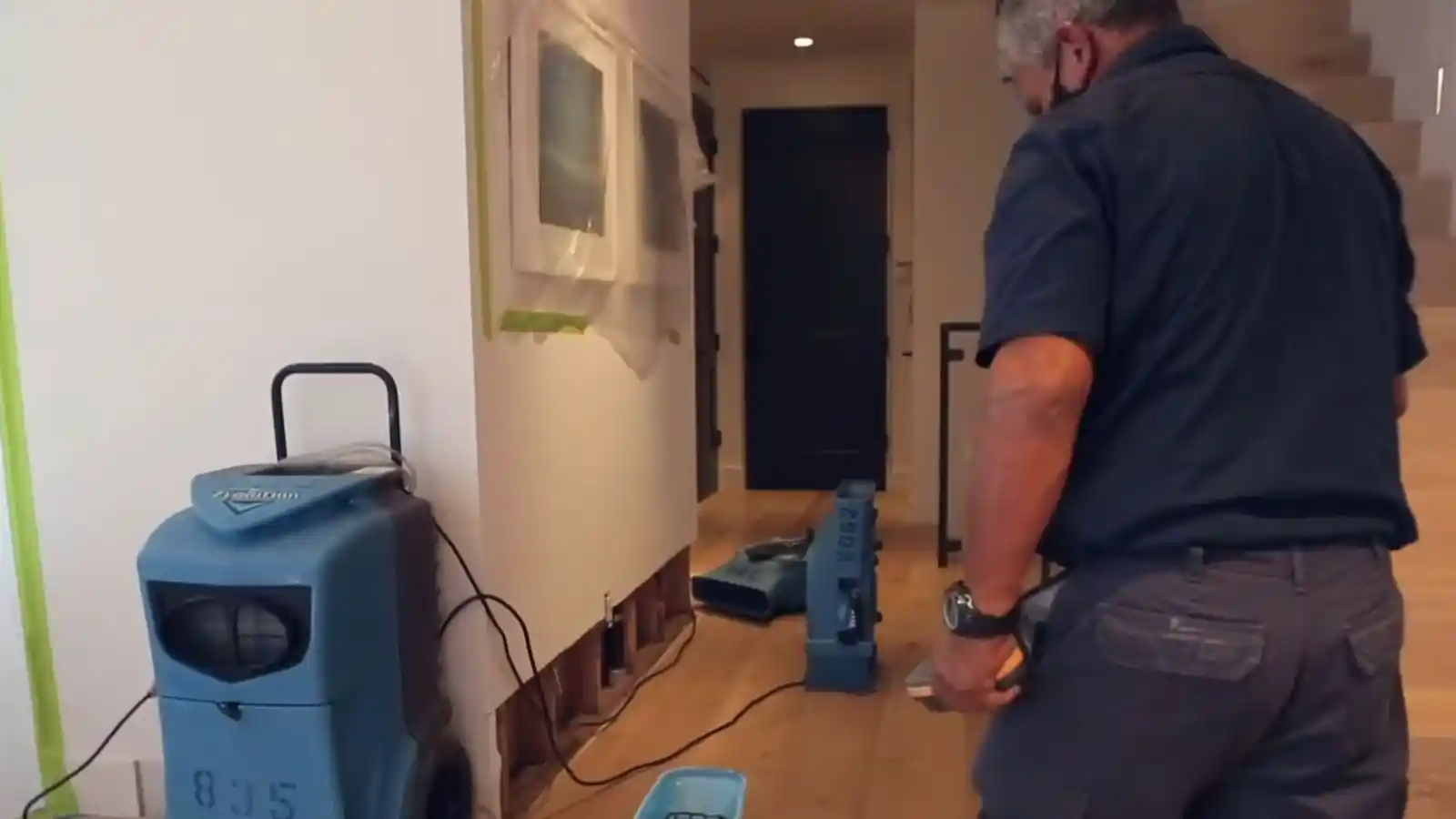
Serving Tarpon Springs and surrounding Pinellas County, 24/7 dispatch with a documented, written assessment before any work begins.
Standing water left on floors or carpet for more than a day or two turns a manageable job into a much bigger one — subfloor swells, mold begins colonizing within 24 to 48 hours in this climate, and drywall starts wicking moisture upward into walls. Fast extraction is what actually limits the total scope of a water damage job, more than any step that comes after it.
We dispatch truck-mounted and portable extraction equipment depending on the volume of water and how accessible the space is. Homes near Spring Bayou and the Anclote River waterfront tend to see the highest volumes after storm surge, while inland properties near US 19 more often deal with a slower, appliance- or plumbing-related leak that's gone unnoticed for a while before the call comes in.
The type of flooring matters too. Tile and sealed hard surfaces common in Florida construction tend to survive standing water well as long as extraction happens before it seeps into grout lines or subfloor seams, while carpet, laminate, and engineered wood are far less forgiving. We factor flooring type into how urgently we prioritize a dispatch call.
Insurance carriers typically expect photo and moisture documentation from the extraction visit itself, not just the finished job, so we photograph standing water levels and affected materials before extraction begins. That before-and-after record tends to move claims faster than documentation compiled after the fact, and it gives you something concrete if a carrier questions the extent of the damage later.
The Sponge Docks area along Dodecanese Boulevard sees a mix of commercial and residential structures right along the Anclote River, and water removal calls there often involve ground-floor commercial space that needs to reopen quickly. We prioritize those calls with that timeline in mind whenever the situation allows for it.
We also walk through what to expect cost-wise before starting — the price range for extraction depends mainly on square footage affected and the type of flooring involved, and we confirm that range verbally on site before any written estimate is finalized, so there's no surprise between the phone call and the invoice.
We also carry moisture meters specifically calibrated for both wood and drywall, since a surface that looks dry to the eye can still register wet on a meter reading. That gap is exactly why we don't call a job finished based on visual inspection alone.
Timing also matters seasonally. Summer afternoon thunderstorms are a near-daily occurrence in Tarpon Springs from June through September, and a lot of our water removal calls in these months trace back to a roof or window that held up fine in light rain but let water through during a sudden downpour.
We see fewer calls tied to appliance failures in summer and more tied to weather intrusion, which changes what we check first during the initial walkthrough. In the drier winter months, the pattern flips toward plumbing-related causes, since appliances and fixtures that see heavy use over the holidays are a common source of a slow leak that finally gives out.
Every hour matters. Call for fast extraction.
Visible pooling on floors, carpet, or hard surfaces.
Carpet or laminate that feels soft or squishes underfoot.
Baseboards or trim separating from the wall near the floor.
An early damp odor even before visible growth appears.
Describe the water source and affected area.
On-site inspection and moisture reading of affected materials.
Truck-mounted or portable extraction of standing water.
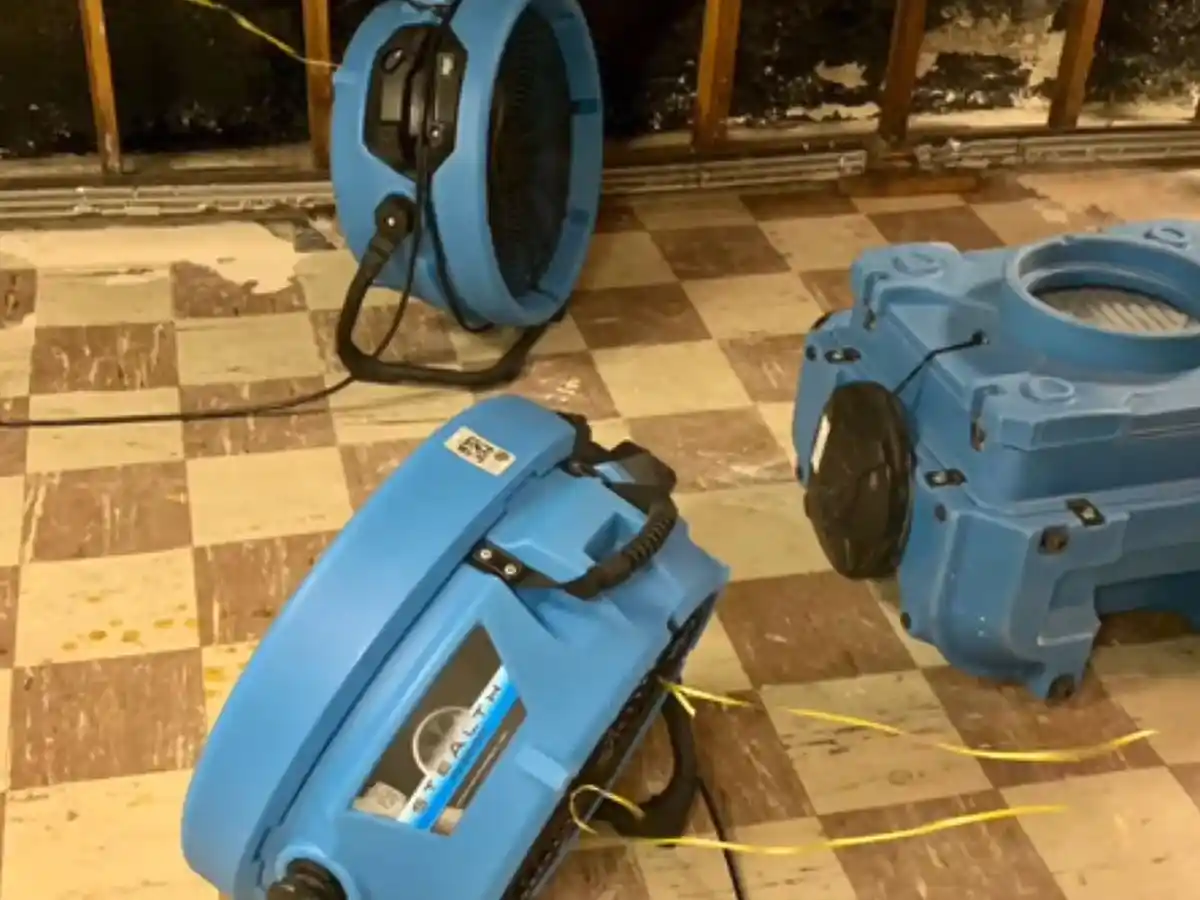
Air movers and dehumidifiers set to fully dry the space.
 Cost Ranges
Limited standing water, fast response.
Larger volume or water that sat before the call.
Final cost depends on square footage and how long water was present before extraction began.
Related ServicesFull dehumidification once standing water is removed.
If water sat long enough for mold risk to develop.
Ideally within hours — mold can begin developing within 24 to 48 hours on wet materials in this humid climate, so faster extraction meaningfully limits the total damage.
Yes, the extraction process is similar regardless of source, though storm-surge water is treated as contaminated and handled with additional sanitizing steps.
Yes, we move furniture and lift items off wet flooring where needed to extract fully and prevent staining or rust marks underneath.
Yes, we photograph standing water and affected materials before extraction begins, which typically supports a faster claims process than documentation gathered afterward.
We prioritize based on urgency and business impact where possible, and a ground-floor commercial space needing to reopen is factored into that.
Yes, we confirm the expected range verbally on site and provide a written estimate before extraction begins.
We use moisture meters calibrated for wood and drywall, since surfaces can look dry while still registering elevated moisture underneath.