Serving Tarpon Springs and surrounding Pinellas County, 24/7 dispatch with a documented, written assessment before any work begins.
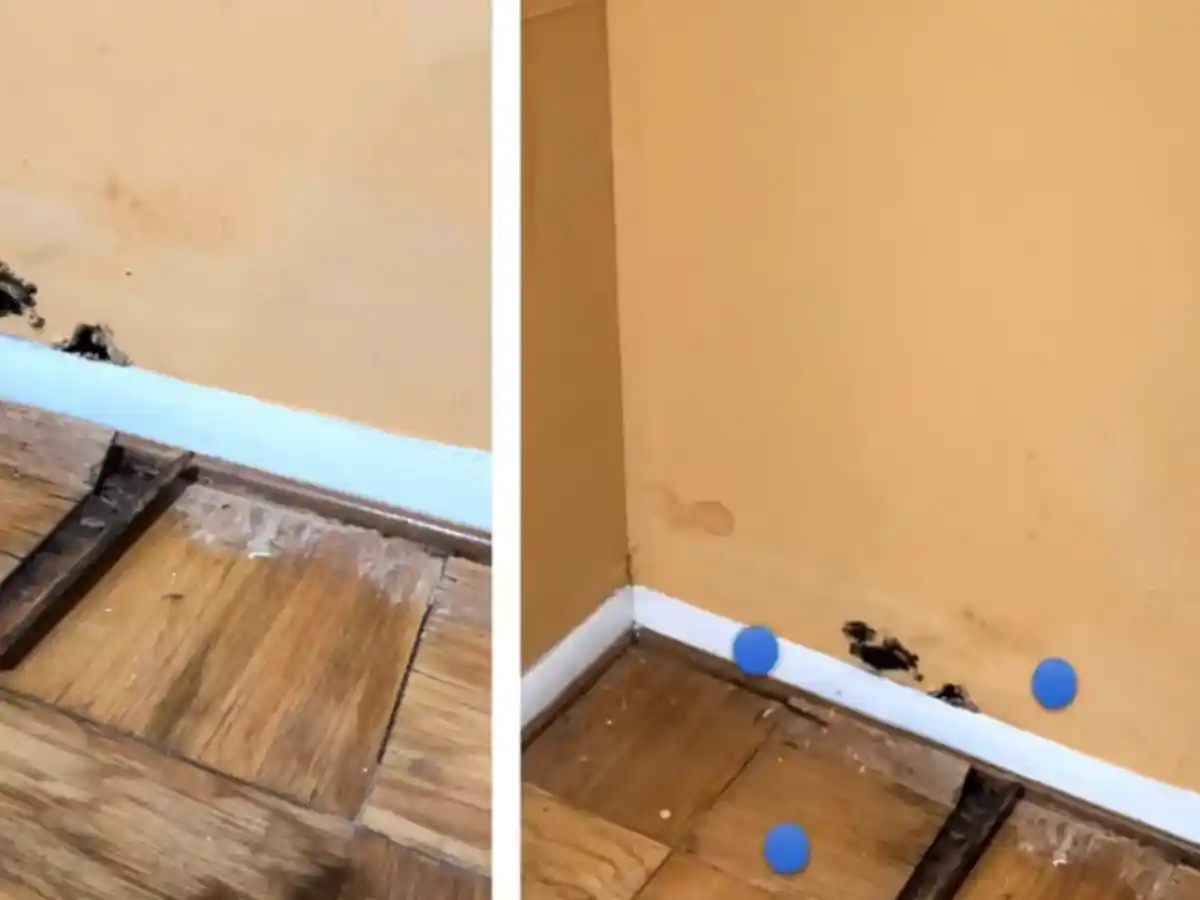
Once mold has been removed and the area confirmed clear, whatever material was taken out during remediation — drywall, trim, sometimes framing — needs to be replaced to bring the space back to normal condition. Repair is handled as a distinct step from removal, since it only begins once air and surface conditions confirm the area is genuinely safe to close back up.
The extent of repair needed depends heavily on how far mold had progressed before it was addressed — a small patch of surface growth caught early might need only a drywall patch, while mold that had time to work into framing or subfloor before discovery can require more extensive structural repair.
In the historic district, where original plaster and older trim details are common, repair sometimes needs to account for matching materials and finishes that aren't standard modern drywall — we assess this during the repair scoping so the finished result fits the property rather than looking obviously patched.
We coordinate the timing of repair closely with the removal and clearance testing process, since closing up a space before air and surface testing confirms it's clear risks sealing residual mold behind new drywall, which defeats the purpose of the remediation that came before it.
Paint and finish matching is handled as part of the repair wherever reasonably possible, using the closest available match to existing surfaces, though on older or previously painted surfaces some visible variation can sometimes be unavoidable and we'll say so honestly rather than promise a perfect match.
We also inspect surrounding areas for any secondary damage from the original mold event, like discolored trim or baseboards beyond the immediate removal zone.
We also factor in whether a property's existing HVAC system might have contributed to the original moisture problem before repair begins, since repairing drywall and framing without addressing an HVAC-related humidity issue can mean redoing the same repair again within a year or two. We'll flag this connection when we see it so the repair addresses the full picture, not just the visible damage.
A common misconception is that repair can happen immediately once visible mold is gone. In reality, clearance testing needs time to process through a lab, typically a few business days, and closing up a wall or ceiling before those results come back risks sealing in a problem that looked resolved but wasn't. We build that waiting period into the project timeline from the start so it doesn't come as a surprise partway through.
We also coordinate directly with your contractor if you're using a separate company for broader renovation work happening at the same time, to make sure the mold-related repair sequencing doesn't conflict with other work planned for the same space.
This coordination step is a small addition to the schedule but tends to save real time compared to two separate crews working around each other without a shared plan.
For properties with a homeowners association or property management company involved, we can provide documentation formatted to meet whatever reporting standard that organization requires, which can simplify approval for repair work in managed communities.
Call now to schedule the repair phase.
Material taken out during a prior mold remediation job.
Structural framing left exposed after mold removal.
Repair waiting on confirmation the area is fully clear.
Paint or trim matching needed to complete the space.
Verify testing confirms the area is safe to close up.
Assess extent of drywall, trim, or framing repair needed.
Replace and repair materials to restore the space.
Paint and trim matching to complete the repair.
 Cost Ranges
Small area, surface-level repair only.
Framing or subfloor repair following extensive removal.
Repair scope is directly tied to how much material had to be removed during the original remediation.
Related ServicesThe removal step that typically precedes repair.
Clearance testing to confirm the area is safe to close up.
We handle both, sequencing repair to begin only once clearance testing confirms the area is fully safe to close up.
We match paint and finishes as closely as possible, though on older surfaces some minor variation can occasionally be unavoidable.
Yes. Closing up a space before confirming it's clear risks sealing residual mold behind new material, which is why we wait for that confirmation.
Yes, we inspect surrounding trim, baseboards, and surfaces for secondary damage from the original mold event before finalizing the repair scope.