Serving Tarpon Springs and surrounding Pinellas County, 24/7 dispatch with a documented, written assessment before any work begins.
Testing answers two separate questions that visual inspection alone can't: what species of mold is present, and how far it's actually spread, including into areas not yet visibly affected. Air sampling checks for elevated spore counts throughout a space, while surface sampling identifies exactly what's growing on a specific area of visible or suspected growth.
We recommend testing in a few specific situations — when growth pattern suggests it could be black mold rather than a more common, lower-concern species, when someone in the home is experiencing symptoms that might be mold-related, when a property is being bought or sold and a documented assessment is needed, or simply when a homeowner wants confirmation before committing to a removal scope.
Testing is particularly useful for distinguishing between condensation-driven mold. Common year-round in Tarpon Springs' humid climate — and mold tied to a specific past leak or storm event, since air and surface sampling combined with a moisture-source inspection can often identify which pattern applies even when the homeowner isn't sure.
Results typically come back from the lab within a few business days, and we walk through what they mean in plain terms rather than leaving you with a technical report and no context — including whether the species identified is one that generally needs professional remediation or one that can often be addressed with simpler moisture control.
Testing before and after removal is also available for anyone who wants documented confirmation that a remediation job was fully successful, which is sometimes useful for real estate transactions or for peace of mind after a recurring mold issue.
We also offer guidance on interpreting borderline results, since not every elevated reading automatically means a serious problem. Context like recent renovation dust or seasonal variation can affect readings.
We also explain the difference between viable and non-viable spore counts when results come back, since not every lab report distinguishes this clearly. Viable spores are capable of continued growth under the right conditions, while non-viable spores, though still potentially allergenic, don't represent an active growth risk in the same way. This distinction can matter for deciding how urgently to act on a given result.
A common misconception is that a single air sample gives a complete picture of a property's mold status. Spore counts can vary meaningfully by room, time of day, and even recent activity like vacuuming or opening a window, which is why we typically recommend multiple samples across different areas rather than relying on one reading to represent an entire property.
We also keep records of past test results for repeat clients, which can be useful for tracking whether a property's mold risk is trending better or worse over successive inspections rather than evaluating each test in isolation.
This becomes especially useful for landlords or property managers overseeing several units, since a documented history across a portfolio can reveal patterns a single inspection wouldn't show, including whether certain units or building sections consistently show more risk than others over time.
We also make ourselves available to answer follow-up questions once results come back, since lab reports can include technical terminology that isn't always self-explanatory, and we'd rather walk through it with you than leave you interpreting it alone.
Call now to schedule testing.
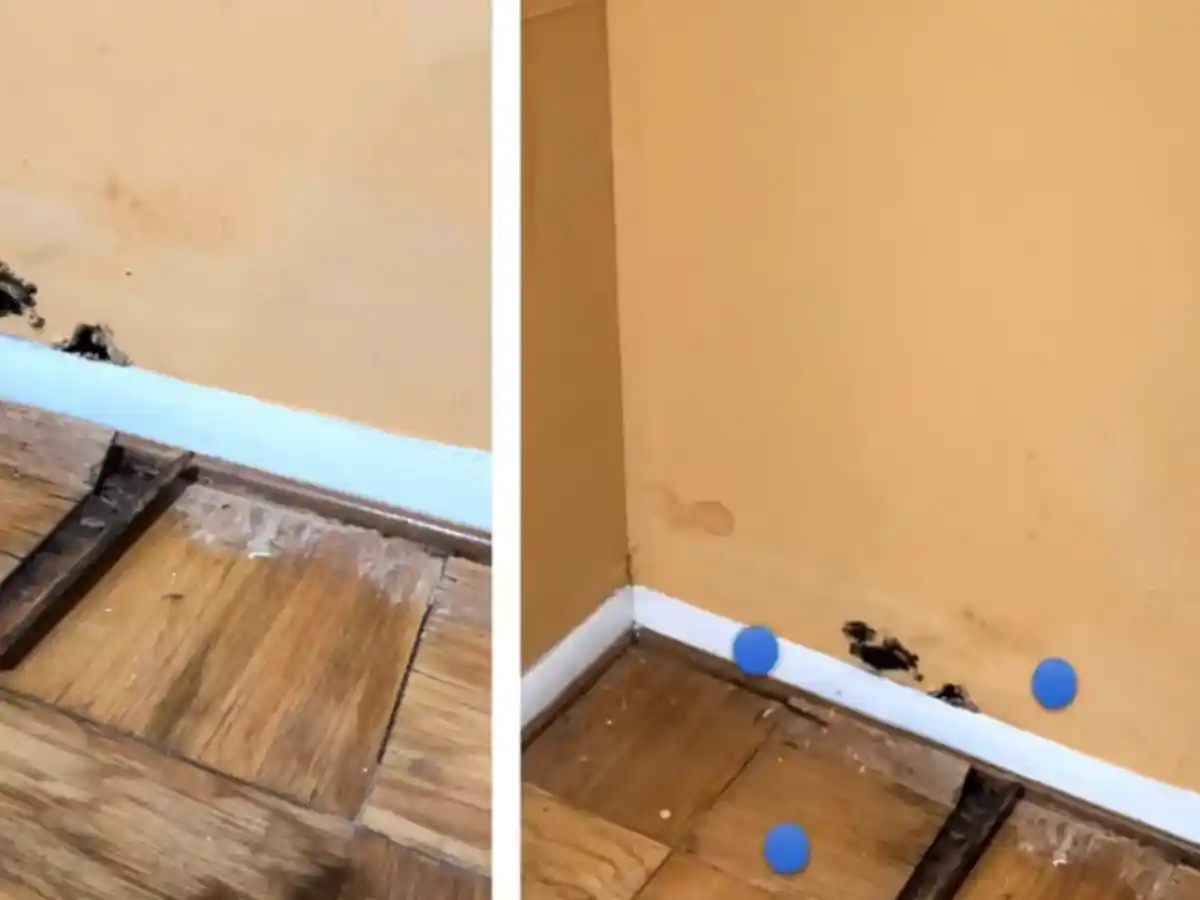
Visible discoloration that may or may not be mold.
Allergy-like symptoms without an obvious visible cause.
Buying or selling a property and needing documentation.
Wanting confirmation that removal was fully successful.
Discuss the concern and determine which testing type fits.
Air and/or surface samples collected from the property.
Samples sent to a lab for species and count analysis.
Results explained in plain terms with next-step guidance.
 Cost Ranges
One suspected growth area sampled and analyzed.
Multiple samples across the property, more comprehensive.
Cost depends on how many samples are needed to answer the specific question you have.
Related ServicesBroader inspection to identify moisture source and extent.
If testing confirms Stachybotrys specifically.
Typically a few business days from when samples reach the lab, and we walk through what the results mean once they arrive.
For clearly visible, common mold, removal without testing is often reasonable — testing becomes more valuable when species identification or documentation specifically matters.
Combined with a moisture-source inspection, yes — testing plus that inspection can often distinguish leak-triggered from condensation-driven mold.
We walk through context that can affect readings, like recent renovation or seasonal variation, rather than treating every borderline result as automatically serious.