Serving Tarpon Springs and surrounding Pinellas County, 24/7 dispatch with a documented, written assessment before any work begins.
Removing mold safely means containing the affected area first, so spores don't spread to unaffected parts of the property during the removal process itself. A step that's easy to skip with a DIY approach but that professional remediation treats as non-negotiable, since disturbing mold without containment is one of the most common ways a small problem becomes a much bigger one.
In Tarpon Springs, mold growth generally traces back to one of two sources: a specific leak or storm-water event, or ongoing condensation tied to the area's humid subtropical climate and roughly 50 inches of annual rainfall. We identify which pattern applies before removal begins, since the moisture source has to be addressed alongside the visible growth or it simply returns.
Removal itself involves physically removing mold-affected material. Sometimes just cleaning a hard surface, sometimes removing drywall or insulation that's absorbed growth too deeply to clean. We make that call based on material type and extent of growth, not a blanket policy of removing everything in the area.
Older homes in the historic district and along Spring Bayou, many built before modern ventilation standards, tend to have more low-airflow spots. Closets, corners, behind built-in furniture. Where mold gets an early foothold before it's noticed. We check those spots specifically during any removal job, not just the area the homeowner originally called about.
Once removal is complete, we verify the area is clear before considering the job closed, rather than assuming visible cleanup means the underlying problem is resolved — a distinction that matters most for recurring mold cases where the visible growth was treated before but came back.
We also check adjacent rooms sharing a wall or ceiling with the affected area, since mold can spread along shared framing before it's visible on both sides.
We also track how mold removal outcomes differ based on how quickly the underlying moisture source gets addressed after our visit. Removal performed while a moisture source is still active offers only temporary relief, since new growth typically reappears within weeks once conditions haven't actually changed. We're upfront when we see this risk so you can weigh whether to address the source concurrently rather than treating removal as a standalone fix.
A common misconception is that bleach is an effective way to permanently kill mold on porous surfaces like drywall. Bleach can lighten the visible staining, but it doesn't reliably penetrate porous material to address mold growing beneath the surface, which is why a bleach-only DIY attempt often looks successful for a few weeks before growth reappears in the same spot.
We also walk through realistic maintenance expectations after removal, since a property that had one mold event is often more prone to a repeat issue if humidity and ventilation conditions haven't meaningfully changed since the original problem developed.
Being upfront about this tends to serve customers better long term than letting a successful removal create a false sense that the underlying risk is fully behind them.
We also encourage clients to reach back out if they notice anything unusual in the weeks following a removal, since early follow-up on a potential recurrence is far easier to address than waiting to see if it resolves on its own.
Call now for containment and removal.
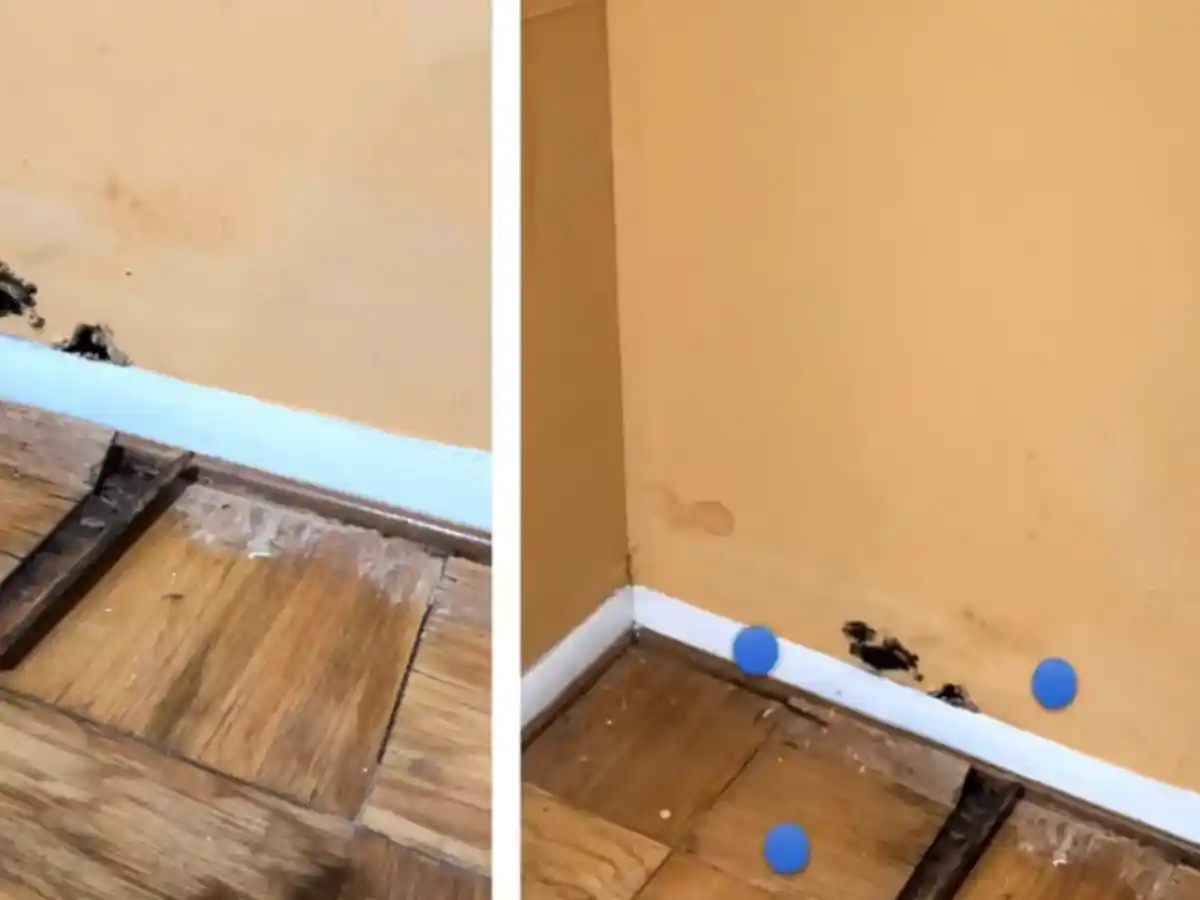
Dark, green, or white patches on walls, ceilings, or surfaces.
A persistent damp smell, especially in low-airflow spaces.
Mold returning after a previous cleaning attempt.
Staining or texture changes suggesting mold beneath the surface.
Identify mold extent and likely moisture source.
Seal off the area to prevent spore spread during removal.
Clean or remove affected material based on extent and type.
Confirm the area is clear before closing out the job.
 Cost Ranges
Single surface or small room, limited growth.
Multiple areas or growth that's returned before.
Recurring mold cases often cost more since the underlying moisture source needs addressing, not just the visible growth.
Related ServicesConfirm mold species and extent before or after removal.
Full inspection to identify moisture source and extent.
If the moisture source wasn't addressed, or if a low-airflow spot nearby was missed, visible cleaning alone often doesn't stop mold from returning.
Yes — disturbing mold without containment risks spreading spores to unaffected areas, even for a seemingly small, contained patch.
It depends on the material and how deep the growth has gone. We assess this per case rather than defaulting to full removal.
Yes, mold can spread along shared framing before becoming visible on the other side, so we check adjacent rooms as standard practice.