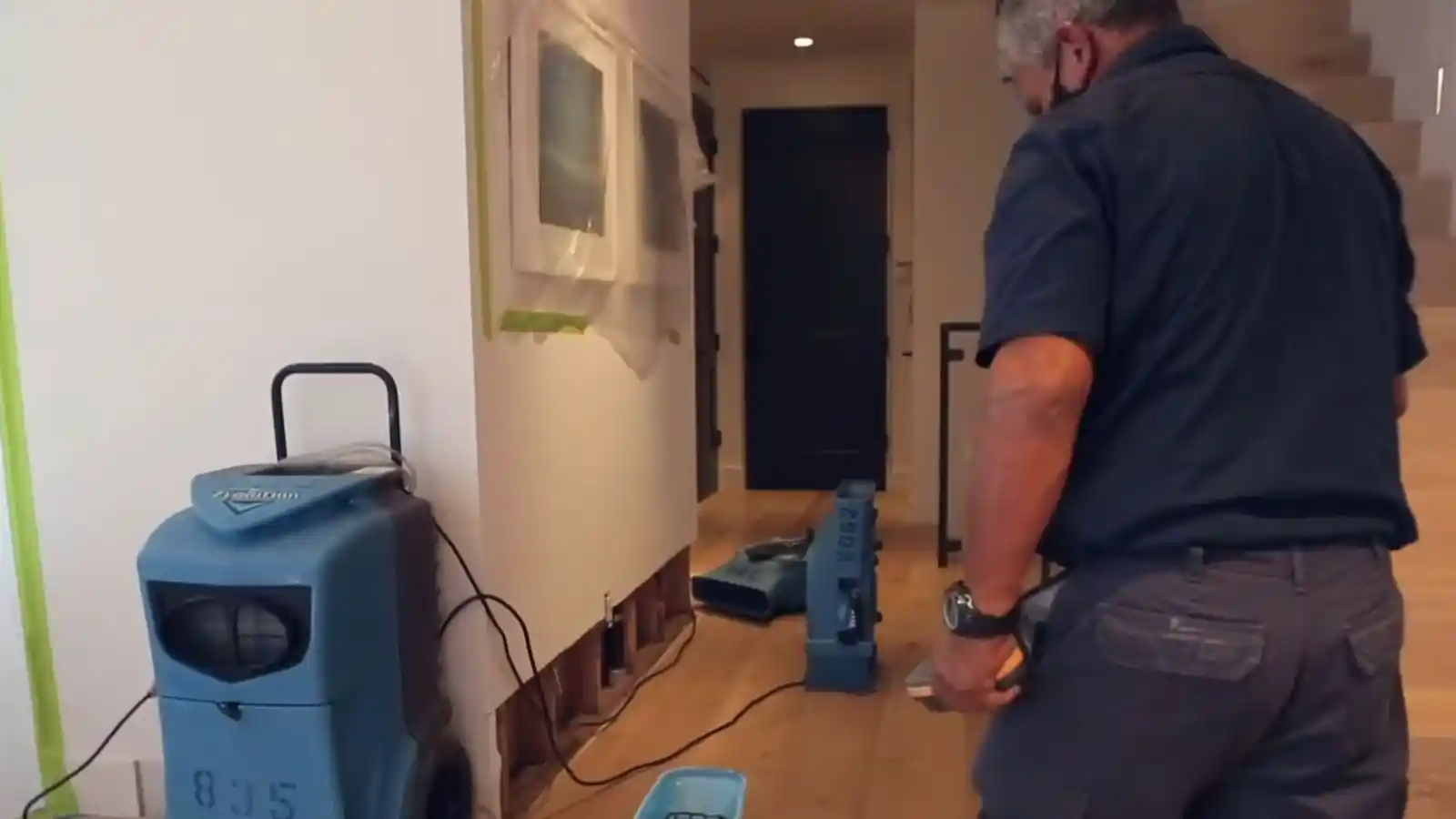
Serving Tarpon Springs and surrounding Pinellas County, 24/7 dispatch with a documented, written assessment before any work begins.
Carpet and the padding underneath it behave very differently once water gets involved. Carpet fiber itself often survives clean-water exposure if it's extracted and dried quickly, but padding absorbs and holds water like a sponge and rarely dries fully in place, which makes it one of the most common sources of hidden, lingering moisture after a water event.
Whether the carpet can be saved depends heavily on the water source: clean water from a supply line has a much better chance than water from storm surge, a sewage backup, or water that sat for more than about 48 hours, all of which typically call for full replacement rather than restoration.
Commercial carpet tile, common in some Tarpon Springs offices and retail spaces, behaves differently than residential broadloom carpet — individual tiles can sometimes be replaced rather than the whole floor, which can meaningfully reduce cost for a business dealing with a contained leak.
Whether carpet is repairable or needs replacement is one of the more commonly disputed line items in a water damage claim, since replacement costs meaningfully more. We document fiber and padding condition with photos at the time of assessment, which gives you and your carrier the same basis for that save-or-replace decision.
Homes near the Pinellas Trail and inland neighborhoods closer to US 19 more often have wall-to-wall carpet in bedrooms and living areas, compared to the tile-heavy construction common closer to the waterfront — which is part of why carpet water damage calls skew toward those inland pockets of the city.
Before we commit to drying carpet in place versus removing and replacing it, we walk through the tradeoff with you directly. Drying in place is cheaper but carries more risk of a return odor if the padding didn't fully dry, and that's worth deciding together rather than assuming.
Carpet seams and transitions between rooms are checked separately during extraction, since water often travels further under carpet than it appears to from the surface, following the path of least resistance along seams toward a lower point in the floor.
Carpet age is a factor we weigh alongside water source and duration. Carpet that's already past its typical replacement age tends to make less financial sense to dry and save even after a relatively minor water event, since the remaining useful life may not justify the extraction and drying cost compared to replacement. We'll give you an honest read on this rather than defaulting to drying in place just because it's technically possible.
Call now for extraction and a save-or-replace assessment.
Carpet that's clearly wet or squishes when walked on.
Underlying padding staying wet even after the surface dries.
A lingering musty smell once the carpet appears dry.
Staining or color change from water exposure.
Determine whether the water is clean, gray, or contaminated.
Deep extraction from both carpet and padding.
Dry in place if salvageable, remove padding if not.
Moisture check to confirm the subfloor is fully dry.
 Cost Ranges
Clean-water event, carpet and padding salvageable.
Padding removed and replaced, carpet dried and reinstalled.
Carpet exposed to contaminated water is generally not restorable and needs replacement, not drying.
Related ServicesThe extraction step for any standing water before carpet work.
For moisture that's reached the subfloor beneath the carpet.
Not always. Clean water from a fast-caught leak often can be, but contaminated water or carpet that's been wet more than about 48 hours usually needs to be replaced along with the padding.
If the padding stayed wet or the water was contaminated, yes — leaving old padding in place after a water event is one of the most common causes of a musty odor returning weeks later.
Often yes — unlike residential broadloom carpet, individual carpet tiles in some commercial spaces can be replaced without redoing the whole floor.
We document fiber and padding condition with photos at assessment, giving you and your insurance carrier the same basis to make that decision together.
Inland neighborhoods near US 19 tend to have more wall-to-wall carpet than waterfront areas, which is part of why we see more carpet calls there.
We walk through the tradeoff together. Drying in place costs less but carries more risk of odor returning if padding wasn't fully dry.
Often yes — water tends to follow seams and transitions to a lower point, so we check beyond the visibly wet area.
Call now for extraction and a save-or-replace assessment.
☎ Call (727) 591-9483