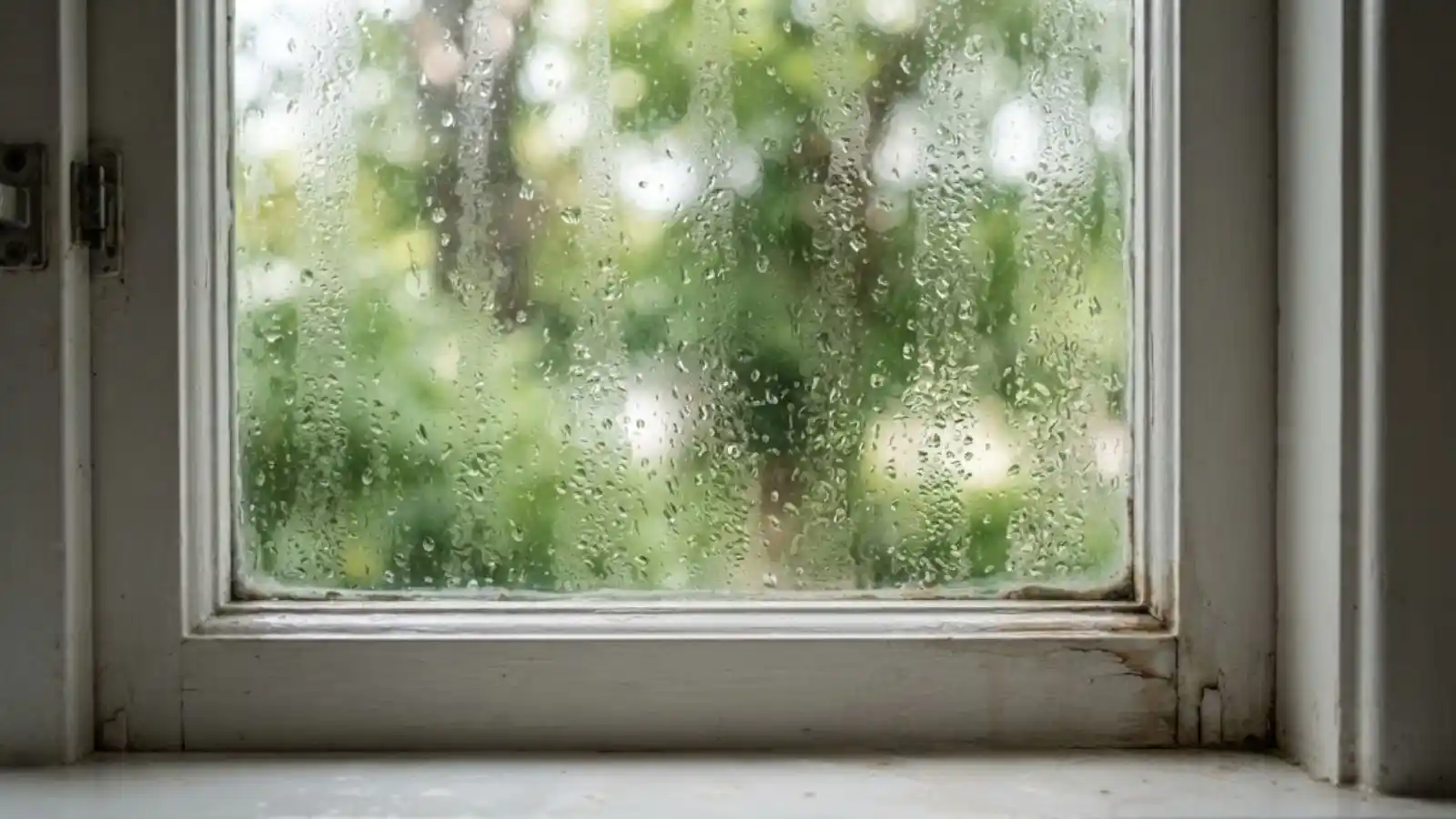
If you've ever been told mold can start growing within 24 to 48 hours of water exposure and wondered whether that's an exaggeration used to create urgency, in Tarpon Springs it's close to literal fact. Industry data on the broader Tampa Bay region has put local humidity levels between roughly 60 and 90 percent for much of the year — well above the 60 percent threshold generally considered the tipping point for mold proliferation.
Mold spores exist essentially everywhere, indoors and out. They're not something you introduce into a home, they're something that's already present and waiting for the right conditions. Those conditions are simply moisture and time. In a region where ambient humidity regularly sits above the mold-growth threshold even without a specific leak or flood event, any additional wet material.
A soaked carpet, a damp wall cavity, a leaking pipe. Gives spores exactly what they need faster than they'd get it in a drier climate. Visible colonies can appear within three to twelve days of initial water exposure in these conditions, compared to weeks or months in cooler, drier regions of the country.
Tampa has been named among the most mold-prone metro areas in the country in industry assessments, and Tarpon Springs sits squarely within that same climate zone. Coastal, humid subtropical, with roughly 50 inches of annual rainfall. This isn't unique to storm season either; it's a year-round condition that makes routine humidity control, not just storm preparedness, a meaningful part of protecting a Tarpon Springs property.
The fast timeline changes the math on how you respond to any water event, however small. A spill that would be a minor inconvenience in a drier climate — say, a slow leak under a sink that goes unnoticed for a few days — carries real mold risk here specifically because of how quickly local conditions let growth establish.
This is a big part of why we treat getting standing water out fast and fully dehumidifying the space afterward as urgent even for jobs that don't look dramatic at first — the window for preventing mold before it starts is genuinely shorter here than in most of the country.
Professional mold remediation in this broader region has been reported averaging somewhere in the $1,500 to $6,000 range depending on severity, with HVAC-involved cases running considerably higher given the added complexity of ductwork contamination. Compared against the cost of fast extraction and drying after a water event, often a fraction of that, the math on responding quickly is straightforward, even before factoring in the disruption of a full remediation project.
You can't change Tarpon Springs' climate, but you can control how quickly a wet area gets dried out, and you can pay attention to the low-airflow spots. Closets, behind furniture, bathrooms with weak ventilation. Where condensation-driven mold tends to establish independent of any specific leak.
If you notice a musty smell or persistent dampness anywhere in your home, treating it as worth checking rather than waiting to see if it resolves on its own is the single most effective thing you can do given how fast conditions here can turn moisture into a growing colony.
For context, homeowners who've lived in drier or cooler climates before moving to the Tampa Bay area are often genuinely surprised by how differently mold behaves here. In a place with 30 to 40 percent typical indoor humidity and cooler year-round temperatures, a wet carpet or a damp basement corner might sit for a week or two with minimal mold risk.
In Tarpon Springs, that same scenario can produce visible growth within days rather than weeks, simply because ambient conditions are already doing much of the work that a specific water event would otherwise need to do on its own in a drier region.
This isn't meant to be alarmist. It's meant to recalibrate expectations for anyone new to the area or anyone who's been applying general, nationally-sourced home-maintenance advice that doesn't actually reflect local conditions. Generic national advice to dry out a wet area within a week simply isn't calibrated for a climate where the real window is closer to a day or two.
Beyond responding quickly to specific water events, ongoing humidity management matters more here than in most of the country. Keeping indoor relative humidity below roughly 50 to 60 percent through properly sized, well-maintained air conditioning, using exhaust fans in bathrooms and kitchens consistently, and addressing any condensation issues on windows or ductwork promptly are all lower-effort, ongoing habits that meaningfully reduce baseline mold risk independent of any specific leak or flood event.
Given how much of Tarpon Springs' mold risk is climate-driven rather than event-driven, these routine habits arguably matter as much as how quickly you respond to an actual water event.
If you've recently moved to Tarpon Springs from a drier or cooler part of the country, recalibrating your mental timeline for water damage response is genuinely one of the more useful adjustments you can make.
What felt like a reasonable few days to deal with a minor leak elsewhere simply doesn't apply here, and building that awareness now, before you're dealing with an actual event, puts you ahead of a mistake many new residents make at least once.
Common QuestionsGiven the region's typical humidity levels, which regularly exceed the threshold generally associated with mold growth, that timeline reflects realistic local conditions rather than a generic industry estimate.
Not every spill needs professional intervention, but anything that stays wet for more than a day, or occurs in a low-airflow space, is worth checking given how quickly conditions here favor growth.
A properly functioning, well-maintained AC system helps manage indoor humidity, though the system itself can also contribute to condensation-related mold if not maintained. A topic worth its own explanation.
Call for a fast, documented assessment.
Call now for emergency water, fire, or mold response in Tarpon Springs.
☎ Call (727) 591-9483