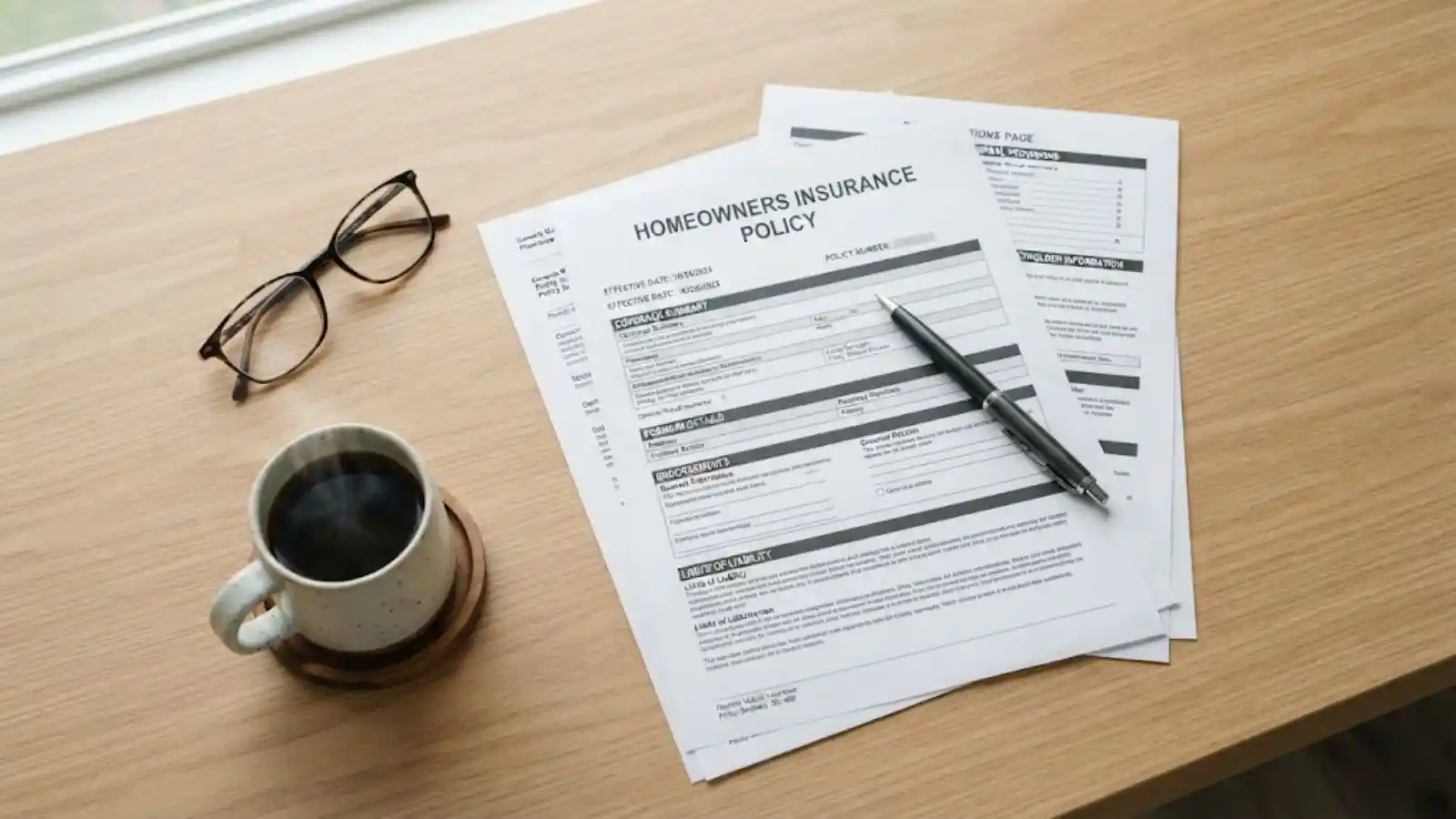
Consumer advocates have flagged a coverage gap that catches many Florida homeowners off guard only when they file a claim: a "Limited Water" provision, sometimes buried in a policy's conditions or endorsements section, that caps water damage payouts at a fixed dollar amount.
Commonly around $10,000 per incident, regardless of what the actual repair costs. It's particularly common on policies for homes over roughly 40 years old, which describes a meaningful share of Tarpon Springs' housing stock, especially in and around the historic district.
Non-flood water damage claims in Florida have risen significantly over the past decade and a half, and insurers have responded by tightening what standard water damage coverage actually pays out. A sub-limit is one of the more consequential tools they've used, because it doesn't deny the claim outright — it simply caps the payout well below what a real repair, especially one involving extraction, structural drying, and any resulting mold remediation, is likely to cost.
This kind of provision typically doesn't appear on the front summary page of your policy. It's usually in the declarations, endorsements, or special provisions sections, the pages most homeowners skim past when a renewal packet arrives.
Look for phrases like "limited water damage," "water damage coverage limitation," "sudden and accidental discharge sublimit," or simply a dollar figure listed specifically under water-related perils that's noticeably lower than your overall dwelling coverage limit. If you're not sure, calling your agent and asking directly whether your policy includes full or limited water damage coverage is a reasonable, specific question to ask before you ever need to file a claim.
If you're dealing with a plumbing failure, storm-related intrusion, or any water event right now and you're not sure how your policy will treat it, documentation matters more, not less, if a sub-limit applies.
A thorough, itemized scope of work from a professional extraction and drying-out visit — including industrial dehumidification where needed — gives you and your carrier a clear, defensible basis for what the repair actually required, even if the ultimate payout is capped.
Given that this sub-limit shows up more frequently on policies covering homes over about 40 years old, and Tarpon Springs' historic district includes more than 140 designated historic buildings along and near Tarpon Avenue alone, this is a genuinely relevant issue for a meaningful share of local homeowners, not just an abstract insurance-industry trend.
If your home falls into that age range, checking your policy language proactively, well before any water event, is worth the ten minutes it takes.
This sits alongside other recent changes to Florida's property insurance landscape. Shorter filing deadlines, stricter scrutiny of whether damage was "sudden" versus "gradual," and general market volatility.
None of it changes what a water damage event actually requires to fix properly, but it does change how much of that cost you might be covering yourself. Understanding your specific policy terms before an emergency is the only real defense against being surprised by a sub-limit after one.
Consider a burst supply line behind a wall in an older Tarpon Springs home that goes unnoticed for a day or two. A genuinely common scenario given how this climate and older plumbing interact. A full response involving extraction, structural drying, drywall replacement, and a mold check for a moderate-sized affected area can reasonably run into the tens of thousands of dollars, particularly if the water reached multiple rooms or a shared wall cavity.
If that policy carries a $10,000 Limited Water sub-limit, the gap between what's actually needed and what the policy pays isn't a rounding error. It's potentially a five-figure out-of-pocket difference the homeowner wasn't expecting.
This is exactly the scenario where checking your policy proactively, rather than discovering the sub-limit for the first time while filing a claim, makes a real financial difference. If you find your policy does carry this kind of limitation, talking to your agent about whether a rider or endorsement to increase that specific sub-limit is available, sometimes for a modest additional premium, is worth exploring before you need it rather than after.
Beyond the insurance conversation itself, this is a reasonable argument for maintaining some level of emergency home-repair reserve specifically because of how Florida's water damage coverage landscape has shifted. Even homeowners with otherwise comprehensive coverage may find themselves bridging a meaningful gap between a sub-limited payout and actual repair costs, and knowing that gap exists in advance is far better than discovering it during an active water emergency.
Insurance policies are also easier to review calmly before anything has gone wrong than in the middle of an active claim, when stress and time pressure make careful reading harder.
Setting aside twenty minutes to check your own policy for this specific provision, ideally with your agent on the phone to answer questions as they come up, is a small task that can prevent a much larger financial surprise down the road, and it's a far better use of that twenty minutes than discovering the gap for the first time while a claim is already in progress.
It's also worth revisiting this check periodically, not just once, since insurers do sometimes adjust policy terms at renewal, and a sub-limit that wasn't present last year could be added without necessarily being obvious in renewal paperwork.
Common QuestionsCheck your declarations, endorsements, or special provisions pages for phrases like "limited water damage" or a specific dollar figure under water perils, or simply ask your agent directly.
This type of sub-limit generally applies to non-flood water damage under a homeowners policy; flood damage is typically handled under a separate flood insurance policy with its own terms.
Thorough documentation supports your claim regardless of a cap, and gives you a clear record if you want to dispute how the cap was applied or pursue supplemental costs.
Call for a fast, documented assessment.
Call now for emergency water, fire, or mold response in Tarpon Springs.
☎ Call (727) 591-9483