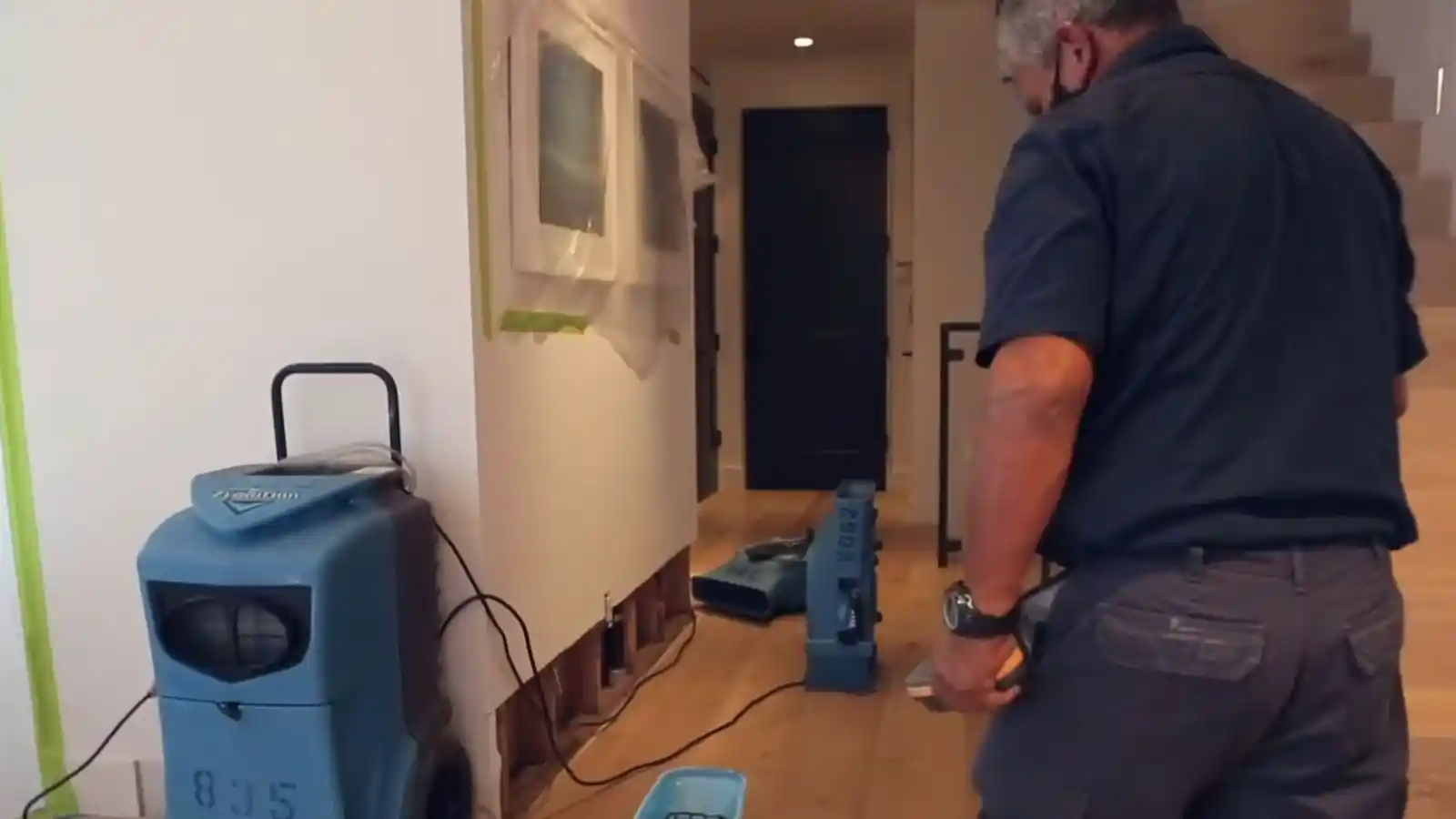
Serving Tarpon Springs and surrounding Pinellas County, 24/7 dispatch with a documented, written assessment before any work begins.
A sewage backup is a different category of problem from ordinary water damage. The water is classified as black water, meaning it's carrying bacteria, viruses, and other contaminants that make standard extraction insufficient on its own. Anything porous the water touched, including carpet, padding, and some drywall, typically has to be removed rather than dried and reused.
In older parts of Tarpon Springs, particularly near the historic district where sewer infrastructure has been in place the longest, backups can also be tied to aging municipal lines rather than an issue inside the home itself — worth mentioning to us so we can flag it as something to raise with the city or a plumber alongside the cleanup.
We also test for backup recurrence risk during the visit, if a backup happened once during heavy rain, it's worth knowing whether it's likely to happen again during the next storm, and we'll flag that pattern so you can decide whether to involve the city or a plumber before it repeats.
Sewage backup coverage varies more than almost any other water damage category — some policies exclude it entirely unless a specific rider was purchased, and carriers frequently want documentation distinguishing a municipal-line backup from an issue inside the home. We note what we observe about the likely source as part of our report.
Streets closer to the Anclote River and the older parts of the sewer network tend to be the ones we hear about most often for backup-related calls during sustained heavy rain, simply because those lines have been in service the longest of anywhere in the city.
We also explain clearly, before removing anything, which materials we recommend removing versus which can reasonably be cleaned and kept. That distinction affects cost meaningfully, and we'd rather walk through the reasoning with you than simply present a bill afterward.
Odor control after a backup often needs more than surface cleaning — porous materials can hold odor even after visible contamination is gone, which is part of why removal rather than cleaning is usually recommended for anything the water directly touched.
We also get asked whether a single backup is likely to be a one-time event or the start of a pattern.
Backups following heavy rain, when a municipal line is overwhelmed by stormwater infiltration, tend to recur during future heavy rain events unless the underlying municipal issue is addressed, while a backup from a blockage inside the home's own line is usually resolved once that blockage is cleared. We'll share our read on which pattern seems to apply based on what we see during the visit.
Call now. This isn't a DIY cleanup.
Sewage or gray water backing up through drains or toilets.
A sewage smell distinct from ordinary dampness.
More than one drain or toilet affected at once.
Discolored water or solid waste present.
Describe the backup and which fixtures are affected.
Area contained to prevent contamination spread.
Contaminated water extracted, porous materials removed.
Full sanitizing and disinfecting of the affected area.
 Cost Ranges
One drain or bathroom affected.
Broader backup requiring material removal.
Contaminated-water jobs often require removing and replacing porous materials rather than drying them.
Related ServicesBroader contaminated-water cleanup and sanitizing.
If contamination led to mold growth in affected materials.
Usually not if it was directly contaminated — porous materials that absorb black water are generally removed and replaced rather than dried, for health reasons.
It can be either. We'll help you identify which during the assessment, since backups from municipal lines are worth reporting to the city alongside the cleanup.
It depends on the cause. We'll tell you during the assessment whether the backup looked like a one-time event or a pattern worth raising with the city or a plumber.
It depends on your policy. Some require a specific rider for backup coverage. We document what we observe about the likely source to support whatever the claims process requires.
Streets served by older sewer lines, generally closer to the river and historic district, do come up more often in our backup-related calls.
Yes, we walk through which materials we recommend removing versus cleaning before any work begins.
Not reliably — porous materials can hold odor even after visible cleaning, which is why removal is usually recommended.