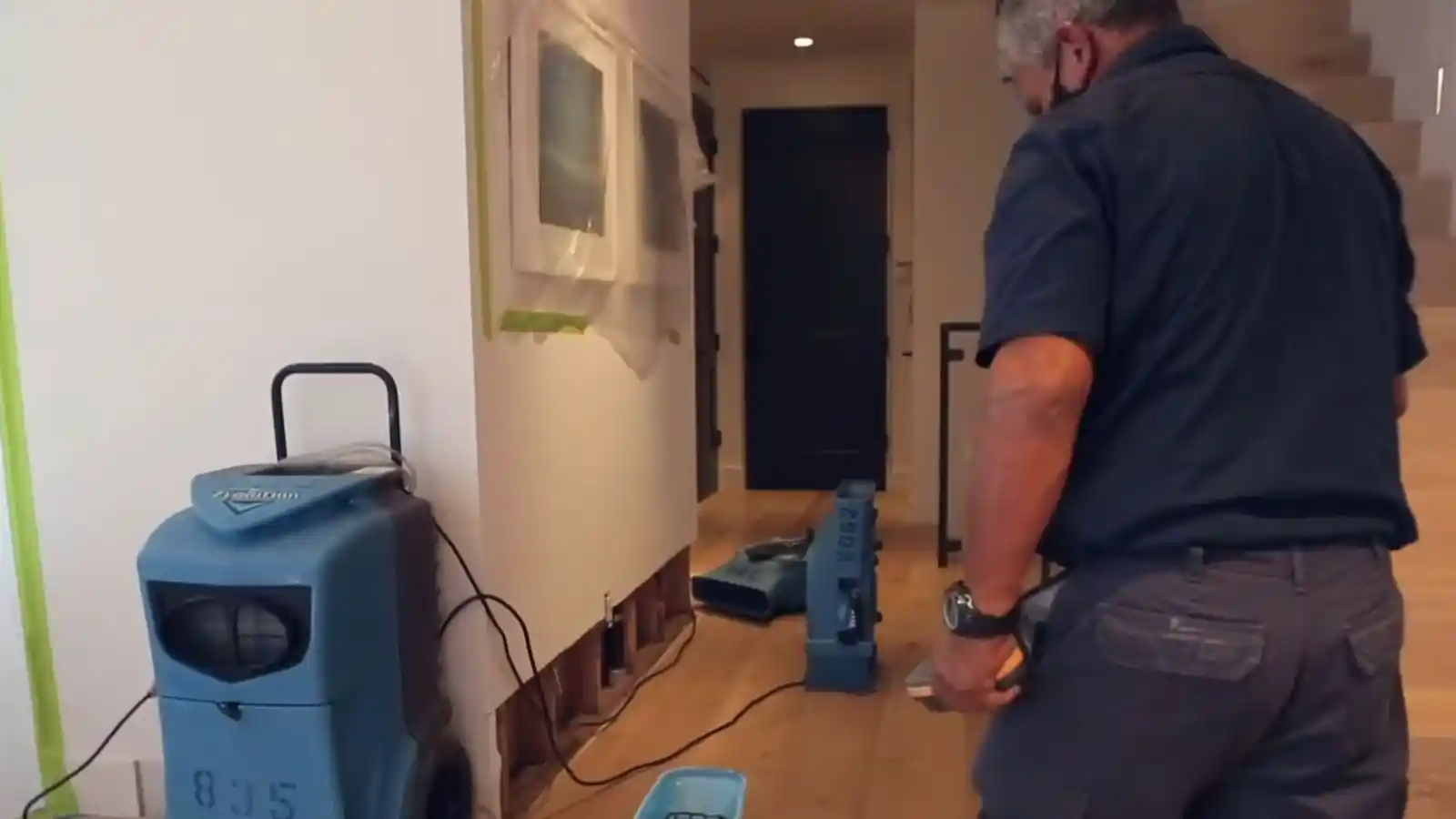
Serving Tarpon Springs and surrounding Pinellas County, 24/7 dispatch with a documented, written assessment before any work begins.
Commercial water damage jobs in Tarpon Springs come with constraints residential jobs don't. Business hours, customer or tenant access, and often a harder deadline to reopen. Properties along Dodecanese Boulevard and the Sponge Docks tourist district in particular need restoration scheduled around foot traffic and operating hours whenever possible, which changes how we sequence extraction and drying compared to a typical home.
Commercial buildings also tend to have larger HVAC systems and more complex floor plans, both of which can spread water damage further and faster than in a residential structure if not addressed quickly — a leak on one floor of a commercial building can affect ceiling tiles and equipment well beyond the room where it started.
For tenant-occupied commercial buildings, we also coordinate directly with property management where needed, since water damage in one unit can affect neighboring tenants and often needs sign-off from more than one party before repair work can begin.
Commercial policies often have different documentation requirements than residential ones, including business-interruption components tied to how long the space was unusable. We log timeline and occupancy impact alongside the physical damage so that piece of a commercial claim isn't left undocumented.
Retail and restaurant spaces along the Sponge Docks corridor carry particular urgency given how tourism-dependent that stretch of the city is — a water-damaged storefront during peak season has a cost beyond the physical repair, which we factor into how quickly we try to turn a commercial job around.
We coordinate directly with whoever manages the property's insurance relationship — owner, manager, or broker — so documentation reaches the right person the first time, which matters more on commercial claims where multiple parties are often involved.
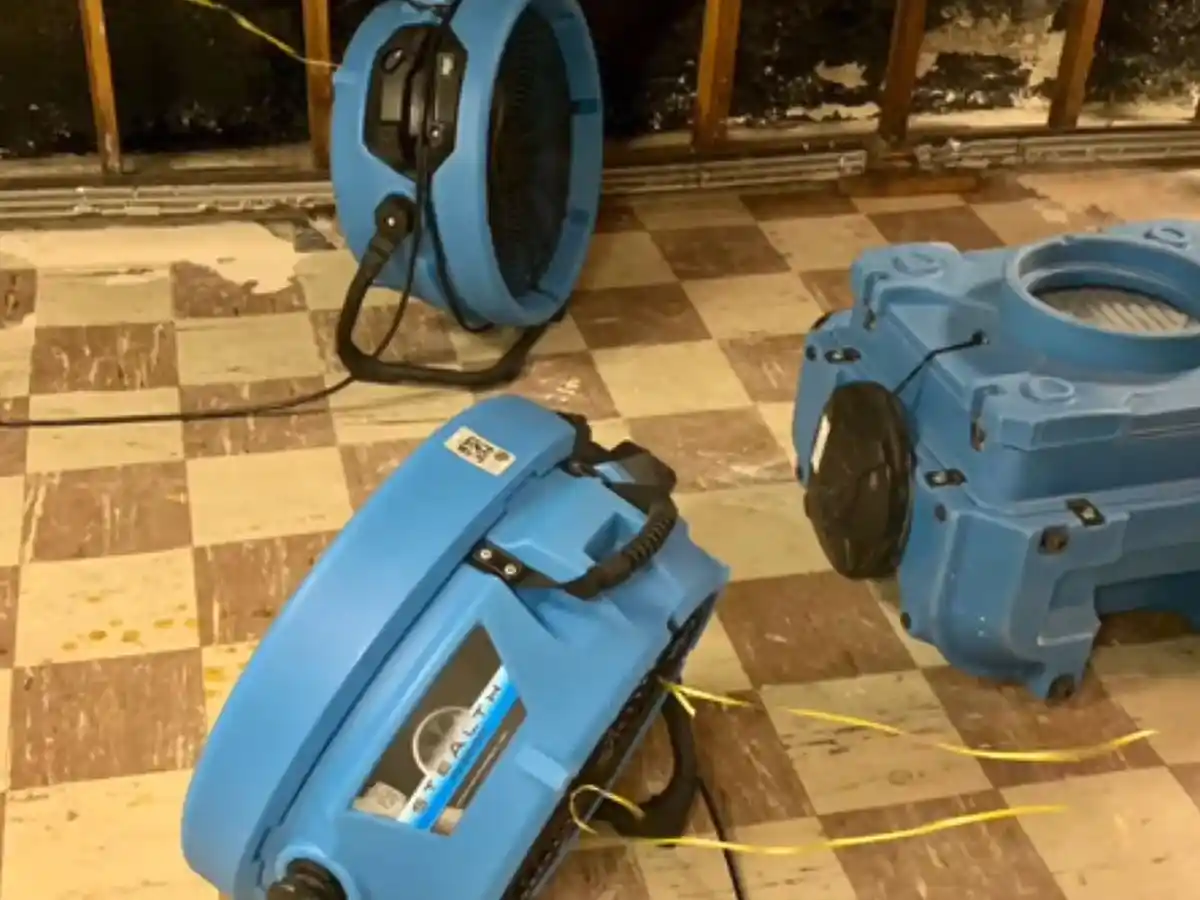
For multi-tenant commercial buildings we coordinate access scheduling directly with each affected unit, since drying equipment sometimes needs to run in spaces beyond the one where the damage originated, and that requires more than one party's cooperation to execute properly.
We also plan around after-hours access whenever a commercial job allows for it. Running extraction and drying equipment overnight, when a retail or office space is normally closed anyway, often lets us make faster progress without disrupting daytime operations at all, which matters most for businesses that can't afford to close during business hours even temporarily.
A common misconception is that commercial water damage always costs proportionally more than residential simply because the space is bigger. Cost actually depends more on what's affected, such as specialized flooring, electronics, or inventory, than on square footage alone, and a smaller commercial space with high-value contents can sometimes cost more to restore than a larger space with simpler finishes.
Call now for commercial dispatch.
Discoloration spreading across a suspended ceiling grid.
Water damage traced to rooftop units or ductwork.
Water damage appearing on a floor below the actual source.
Commercial flooring, fixtures, or equipment affected.
Describe the damage and any business-hours constraints.
Inspection accounting for HVAC and multi-floor spread.
Extraction scheduled to minimize business disruption.
Drying with documentation suited for commercial insurance.
 Cost Ranges
Contained damage in one commercial unit.
Damage spread across floors or HVAC systems.
Commercial jobs are scoped with business continuity in mind, which is factored into scheduling and cost.
Related ServicesIf water damage led to mold growth in a commercial space.
Industrial drying for larger commercial spaces.
In most cases yes — we can schedule extraction and drying equipment placement around your operating hours where the damage allows for it.
Yes, commercial claims typically require more detailed documentation than residential ones, and we scope our reporting accordingly.
Yes, for tenant-occupied buildings we coordinate with property management as needed, since repairs sometimes require sign-off beyond the affected unit alone.
We log the damage timeline and occupancy impact, which supports the business-interruption component some commercial policies include.
Business impact and timing are both factored into how we schedule commercial jobs, and a peak-season storefront is treated with that urgency in mind.
We coordinate with whoever manages the property's insurance relationship, whether that's the owner, a manager, or a broker.
We coordinate directly with each affected tenant or unit, since drying sometimes needs to extend beyond the original space.