Serving Tarpon Springs and surrounding Pinellas County, 24/7 dispatch with a documented, written assessment before any work begins.
A soft spot or a small hole forming in a ceiling below a bathroom or toilet is one of the most common urgent calls we get in Tarpon Springs, and for good reason — by the time drywall visibly sags or a hole starts forming, water has usually been sitting in the ceiling cavity long enough to weaken the material significantly, and often long enough for mold to have started growing on the unseen side.
In the historic district, where many ceilings are original plaster and lath rather than modern drywall, this kind of leak needs a more careful approach. Plaster holds water differently than drywall and can look stable right up until it isn't. We assess the ceiling material as part of the initial inspection, not just the visible damage.
We also check the attic space above the affected ceiling where accessible, since a slow leak often shows insulation staining or wood discoloration in the attic well before it becomes visible from below. Catching it at that stage usually means a smaller, less expensive repair.
A ceiling repair claim usually needs to show both the source of the leak and the extent of hidden damage inside the cavity, not just the visible staining — we open a small inspection area where necessary and photograph the cavity interior so the full scope is documented before repair work closes it back up.
Homes near St. Nicholas Greek Orthodox Cathedral and the surrounding historic streets often have taller ceilings and older roof framing than typical suburban construction, which changes both how a leak travels before it becomes visible and how the repair is sequenced once the source is addressed.
We also explain, before starting, whether we expect a patch-level repair or a full section replacement, since that difference affects both timeline and cost meaningfully — most customers want that expectation set clearly before work begins, not discovered partway through.
Paint matching is handled as part of the final repair step wherever possible, using the closest available match to existing wall or ceiling color, though on older painted surfaces some visible variation is sometimes unavoidable and we'll flag that honestly rather than promise a perfect match.
We've also found that the location of the stain relative to the leak source isn't always straightforward. Water can travel several feet along a joist or truss before dripping down, which means the wet spot on your ceiling doesn't necessarily sit directly below the actual point where water entered the cavity. Tracing that path correctly is part of why we open a small inspection area rather than assuming the visible stain marks the exact source.
Call now before the damage spreads further.
A ceiling area that flexes or sags when touched.
Discoloration spreading outward from a central point.
Drywall or plaster beginning to separate or crumble.
A bathroom, toilet, or shower directly above the affected ceiling.
Describe the ceiling damage and what's above it.
Identify whether the leak is active or already stopped.
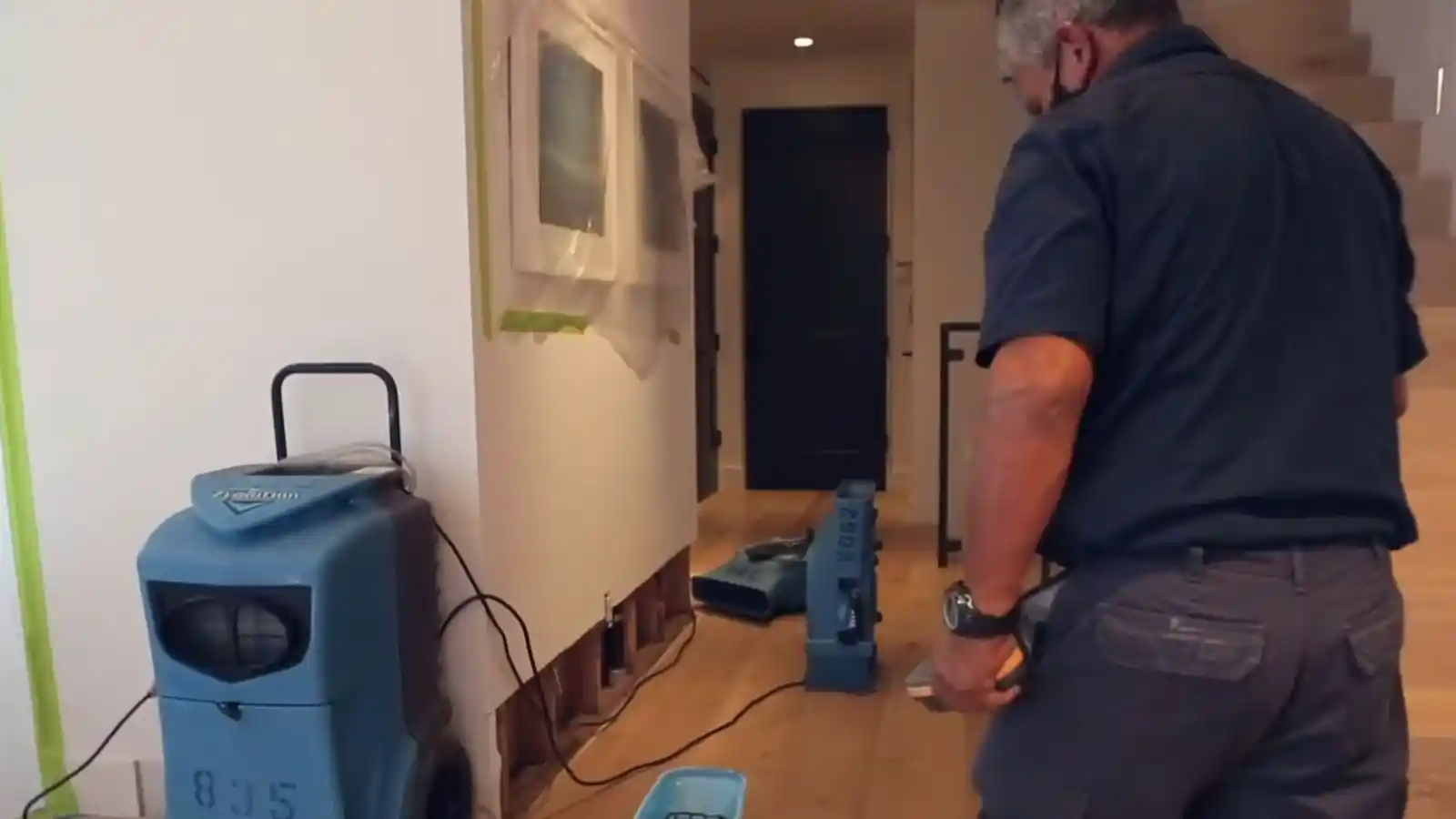
Dry the cavity and assess material for mold risk.
Drywall or plaster repair once the cavity is fully dry.
 Cost Ranges
Isolated soft spot or staining, no active leak.
Includes drying, mold check, and full section repair.
A hole or heavy sag typically means the drywall needs full replacement, not just a patch.
Related ServicesIf mold is found in the ceiling cavity during repair.
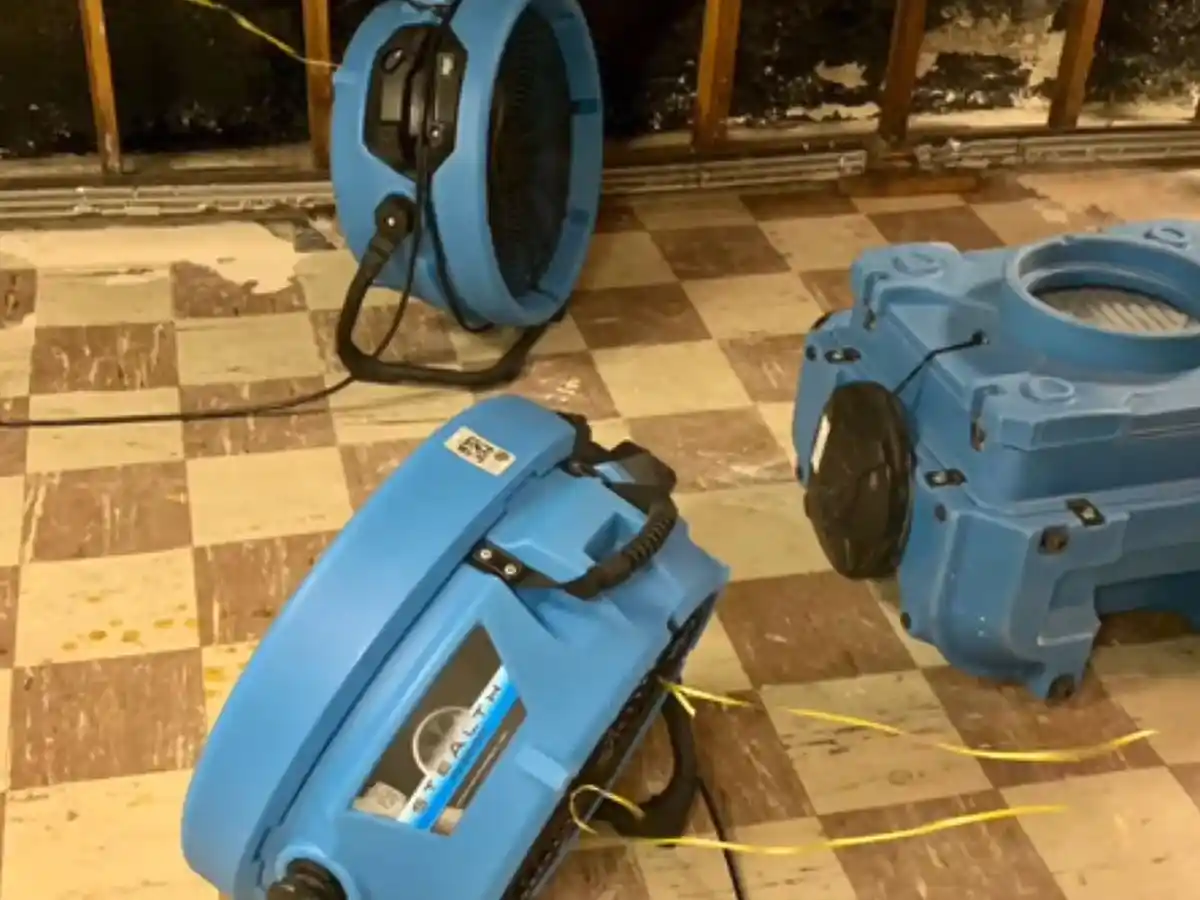
Full drying for the ceiling cavity and surrounding structure.
Yes — a soft spot usually means water has been present long enough to weaken the material, and the risk of collapse or mold growth increases the longer it's left.
We handle the ceiling drying and repair; if the source is plumbing, we'll identify it during inspection and can coordinate timing with a plumber before we close up the repair.
Where accessible, yes. Attic insulation and framing often show early signs of a slow leak before it's visible from the room below.
Yes, we open a small inspection area where needed and photograph the interior condition before closing the repair back up.
Yes, older roof framing and taller ceiling cavities can change how a leak travels before it's visible, which affects where we look for the source.
Yes, we explain which type of repair is needed and why before beginning work, since it affects both cost and timeline.
We match as closely as possible, though on older painted surfaces some minor variation can sometimes be unavoidable.