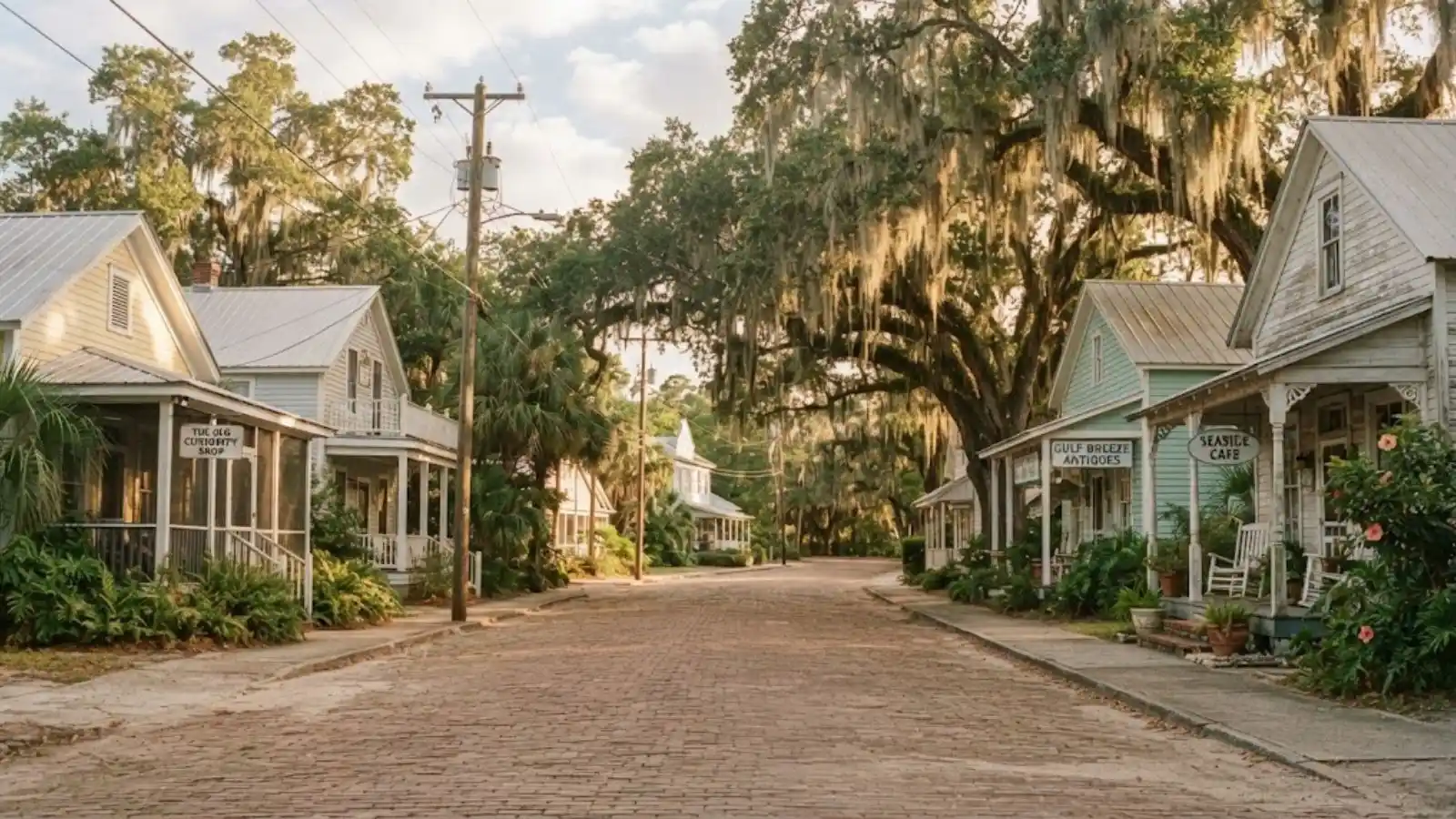
Not every Tarpon Springs property carries the same water damage risk, and geography and construction age are two of the biggest reasons why. Homes along Spring Bayou and within the Tarpon Springs Historic District. More than 140 designated buildings along and near Tarpon Avenue. Face a combination of factors that newer inland construction near US 19 generally doesn't.
Current floodplain management rules require substantially damaged or substantially improved structures in flood zones to be elevated to or above the applicable design flood elevation for their zone.
But many homes in the historic district and along the bayou predate these requirements entirely, having been built well before modern flood-elevation code existed. That means a meaningful share of the city's oldest, most architecturally significant housing stock sits at an elevation that wouldn't be permitted for new construction today.
Spring Bayou and the surrounding "bayou country" neighborhoods sit directly along waterways connected to the Gulf, which means storm surge has a direct, short path into these areas during hurricane season. Combine that proximity with lower baseline elevation, and you get a genuinely higher storm-surge exposure than a comparably built home further inland would face during the same storm.
Beyond elevation, construction materials matter too. Original plaster-and-lath ceilings and walls, common in the historic district, hold and release water differently than modern drywall — sometimes staying visually intact longer even as they absorb moisture, which can delay when a homeowner actually notices a problem.
Older plumbing systems, sometimes including original or early-generation pipe materials, are also more prone to sudden failure than modern plumbing, adding a non-storm-related water damage risk on top of the flood exposure.
None of this is meant to suggest historic district or bayou-adjacent living is a mistake — these are some of the most distinctive, desirable parts of Tarpon Springs precisely because of their history and waterfront character.
It does mean that owning a property in this part of the city comes with specific, knowable risk factors worth planning around, rather than assuming the same maintenance and preparedness approach that works for a newer inland home applies equally well here.
For homeowners in these areas, that means being more proactive about checking for early water intrusion after any heavy rain event, not just named storms, and understanding that a plumbing failure in an older system may need a different repair approach than a newer home would.
Our approach to drying out an older structure properly specifically accounts for how differently older construction holds moisture, and if a storm event does cause damage, understanding whether your specific property falls under the city's substantial-damage compliance requirements is worth confirming directly with the Building Development Department given your home's age and flood zone.
This isn't unique to Tarpon Springs — older waterfront and historic-district homes throughout Gulf Coast communities including Dunedin's own historic downtown face similar combinations of age and coastal exposure. Understanding the specific factors at play for your property's age, location, and construction is more useful than treating hurricane preparedness as a one-size-fits-all checklist.
For anyone considering buying a home in the historic district or along Spring Bayou, a professional water damage and moisture assessment before closing can reveal issues that a standard home inspection might not fully capture — subtle signs of past water intrusion, moisture patterns in older plaster or masonry that suggest a chronic rather than one-time issue, or ventilation limitations that could contribute to condensation-driven mold down the line.
This kind of assessment is a relatively small upfront cost compared to discovering a significant, undisclosed water damage history after you've already closed on a historic property.
It's also worth asking directly about a specific property's flood zone designation and whether it has any history of substantial-damage determinations from past storms, since that history follows the property and can affect both future insurance costs and what's required if the home is damaged again. Public permit records through the city's Building Development Department can often confirm this kind of history for a specific address.
Part of what makes historic district and bayou-adjacent homes desirable is precisely the older materials and architectural character that also create some of their water damage vulnerabilities — original plaster, vintage windows, and construction techniques that predate modern moisture-resistant materials.
Rather than viewing this as a reason to avoid these properties, most long-term owners find that understanding the specific maintenance rhythm these homes require — more frequent moisture checks, more careful handling of any water event, and realistic budgeting for the eventual need to address aging plumbing — lets them enjoy the character these homes offer without being caught off guard by the risks that come with it.
None of this is meant to discourage anyone from owning or restoring a historic district or bayou-adjacent property. These homes have stood for decades precisely because they were built to last, even if by different standards than we use today.
Understanding the specific risk factors simply means going in with realistic expectations rather than assuming these properties behave identically to newer construction elsewhere in the region, and knowing who to call for a fast, informed response when something does come up, ideally before rather than during the next storm season.
If you're considering any renovation work on a historic-district property, checking with the city early about which requirements apply to your specific structure can save time compared to discovering a conflict partway through a project.
Common QuestionsSome structures with historic designation may need to account for preservation considerations alongside flood-elevation requirements. This is worth confirming with the city's Building Development Department for your specific property.
Generally, direct waterfront proximity does increase storm-surge exposure, though specific elevation and construction details for an individual property matter too.
Not always, but original materials like plaster and older plumbing can require a different, sometimes more careful repair approach than standard modern construction.
Call for a fast, documented assessment.
Call now for emergency water, fire, or mold response in Tarpon Springs.
☎ Call (727) 591-9483