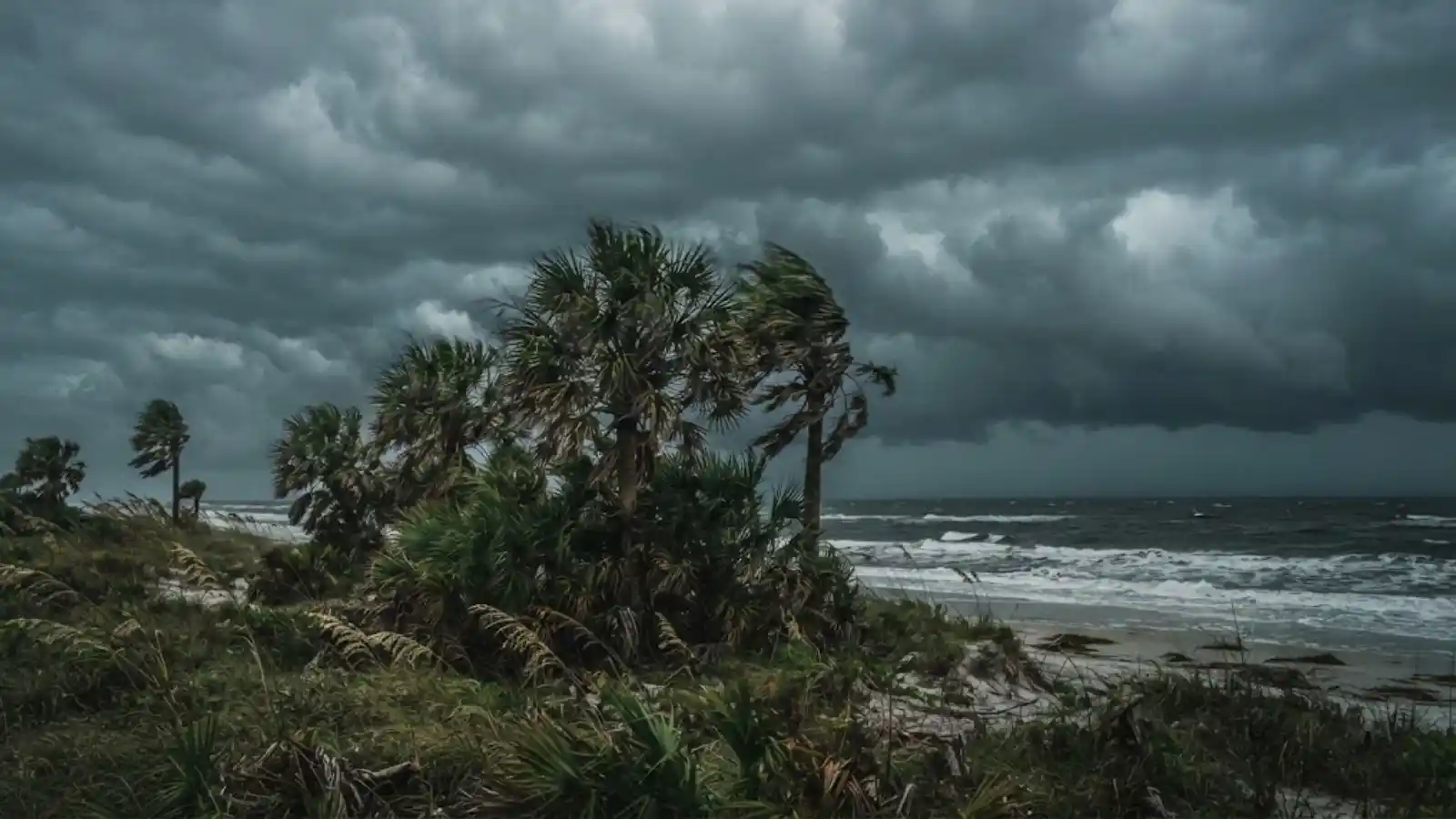
In the chaos immediately after Hurricanes Helene and Milton, plenty of Tarpon Springs homeowners did what needed doing — hired a contractor, replaced drywall, dried out a flooded room, without stopping to pull a permit first. That's understandable, and the city has built in a specific path to fix it without a penalty, but that path has a deadline: June 30, 2026.
This specific waiver is for property owners whose homes were not deemed substantially damaged, but who completed or started repairs without the required permit. If your property was determined to be substantially damaged, you're on the separate compliance track discussed elsewhere on our blog, with its own June 1, 2026 deadline. The two shouldn't be confused, since they involve different requirements and different consequences.
Normally, filing a permit after work is already complete comes with an after-the-fact penalty fee on top of the standard permit cost. For storm-related repairs completed within the relevant window, the city is waiving that penalty specifically if the after-the-fact permit application is filed by June 30, 2026.
Unpermitted work creates real problems beyond the immediate penalty risk — it can complicate a future home sale, since buyers and their inspectors routinely check permit history against visible renovations.
It can also create issues with insurance if a future claim involves an area that was repaired without inspection, since the insurer may ask whether the repair met code. Getting the after-the-fact permit filed isn't just about avoiding a fee; it's about having a clean paper trail on your property going forward.
After-the-fact permitting typically requires documentation of what work was done, sometimes including photos from during the repair if you have them, and may require an inspection of the completed work to confirm it meets code, even though the sequence — building first, permitting after — is reversed from normal practice.
If the original repair involved water damage extraction, structural drying, or mold remediation, that documentation can be genuinely useful here: a written scope of work and photos from a professional restoration visit are often more thorough than what a homeowner or handyman crew provides.
If you're not sure whether your Helene- or Milton-related repairs were properly permitted, it's worth checking with the city's Building Development Department directly rather than assuming — permit records are public, and confirming your status now, well ahead of the June 30, 2026 deadline, is far less stressful than discovering a gap during a home sale.
For property owners in Tarpon Springs or nearby communities like Dunedin who are still actively dealing with storm-related water damage, whether that's structural drying that was never fully completed or mold that developed because a repair was rushed without addressing the underlying moisture — getting that work properly assessed and documented now makes any future permitting conversation more straightforward.
Getting the space professionally dried out and documented supports both an insurance claim and a permitting conversation.
The waiver is specifically tied to repairs connected to Hurricanes Helene and Milton, not just any home improvement completed during the same general timeframe. If you replaced drywall because of storm water intrusion, repaired a roof section damaged by wind, or handled any other storm-caused issue without pulling a permit first, that's the category of work this waiver is meant to cover.
Unrelated renovations completed around the same time, a kitchen remodel that had nothing to do with storm damage, for instance. Generally wouldn't qualify for the same penalty waiver even if the timing happens to overlap.
This distinction matters because the city's Building Development Department will likely ask you to connect the specific repair to storm damage as part of the after-the-fact application, which is another reason having documentation. Photos from during or shortly after the storms, a contractor's invoice describing the work as storm-related, or a professional restoration assessment — makes the filing process smoother than trying to reconstruct that connection from memory well over a year later.
Permitting departments, including Tarpon Springs' own Building Development Department, tend to see application volume increase as a deadline approaches, which can mean longer review times right when you'd most want a fast turnaround.
Filing well ahead of June 30, 2026, rather than in the final weeks, gives you more runway if the department requests additional documentation or if an inspection needs to be scheduled before your application can be finalized. Given how much simpler this process is with the penalty waived compared to after it expires, treating this as a task to complete this quarter rather than something to handle eventually is the more practical approach.
Once an after-the-fact permit application is submitted, an inspector will typically need to review the completed work to confirm it meets applicable code, even though the repair is already finished. This can occasionally mean opening up a wall or ceiling section if the original work isn't fully visible for inspection, which is another reason having thorough photo documentation from during the original repair.
Showing framing, plumbing, or electrical work before it was covered up. Can sometimes avoid that extra step. If you don't have that kind of documentation from the original repair, it's worth discussing with the Building Development Department what level of verification they'll need for your specific situation before assuming the worst.
Keeping a copy of any correspondence with the city throughout this process is also worth doing, simply so you have a clear record of when you applied and what was discussed if any questions come up later.
Common QuestionsNo, that's a separate compliance track with its own June 1, 2026 deadline and different requirements.
The city's Building Development Department can confirm this directly. It's worth checking rather than assuming, especially with the deadline approaching.
We can provide documentation of any water damage assessment or restoration work we performed, which can support your after-the-fact filing alongside your contractor's records.
Call for a fast, documented assessment.
Call now for emergency water, fire, or mold response in Tarpon Springs.
☎ Call (727) 591-9483