Serving Tarpon Springs and surrounding Pinellas County, 24/7 dispatch with a documented, written assessment before any work begins.
Most Tarpon Springs homes are slab-on-grade rather than built with a true basement, but enclosed garage-level spaces, converted lower rooms, and older waterfront properties with a partial lower level face similar mold risk — limited airflow combined with any groundwater intrusion or past flooding creates ideal conditions for mold to establish and persist.
These enclosed spaces often go unchecked for longer than main living areas simply because they're used for storage or utility purposes rather than daily living, which means mold can develop and spread for weeks or months before anyone notices the musty smell or visible growth.
Groundwater intrusion tied to the area's proximity to Lake Tarpon and the Anclote River is a real contributing factor for lower-lying enclosed spaces, distinct from surface flooding — even without a specific flood event, sustained groundwater pressure can keep a lower-level space damp enough for mold to thrive.
Removal in these spaces has to account for the limited ventilation that likely contributed to the problem in the first place — simply cleaning visible growth without improving airflow or addressing moisture intrusion tends to result in the mold returning within a matter of months.
We assess stored items in these spaces as part of the job, since porous items like cardboard boxes or fabric stored in a mold-affected lower level are often more heavily contaminated than the structure itself, and may need to be discarded rather than cleaned.
We also check for any secondary electrical concerns in these spaces, since outlets or panels mounted low in an enclosed area can be affected by the same moisture causing the mold.
We also consider how a property's landscaping and grading affects the risk of recurrence in these lower-level spaces. Soil that slopes toward rather than away from a foundation can direct rainwater exactly where you don't want it, contributing to the kind of persistent dampness that leads to mold in enclosed lower areas. We'll mention this if we notice it during our visit, even though grading correction itself falls outside our scope.
A common misconception is that a dehumidifier alone will solve a persistent mold problem in these spaces. A dehumidifier can help manage ambient humidity, but it does nothing to address bulk water intrusion from groundwater or a specific leak, and running one in a space with an active water source is treating a symptom rather than the underlying cause. We identify which situation applies before recommending equipment as part of a long-term fix.
We also recommend a simple periodic check of these enclosed spaces, even without an obvious problem, since catching early growth in a storage or utility area tends to be far less costly than discovering an established colony months later.
A quick seasonal check, particularly heading into the wetter summer months, is often enough to catch a developing issue well before it becomes a larger job.
For rental properties with this type of space, we recommend sharing our findings directly with both the property owner and any tenant using the area, since clear communication about what was found and fixed helps avoid disputes later.
Call now for inspection and removal.
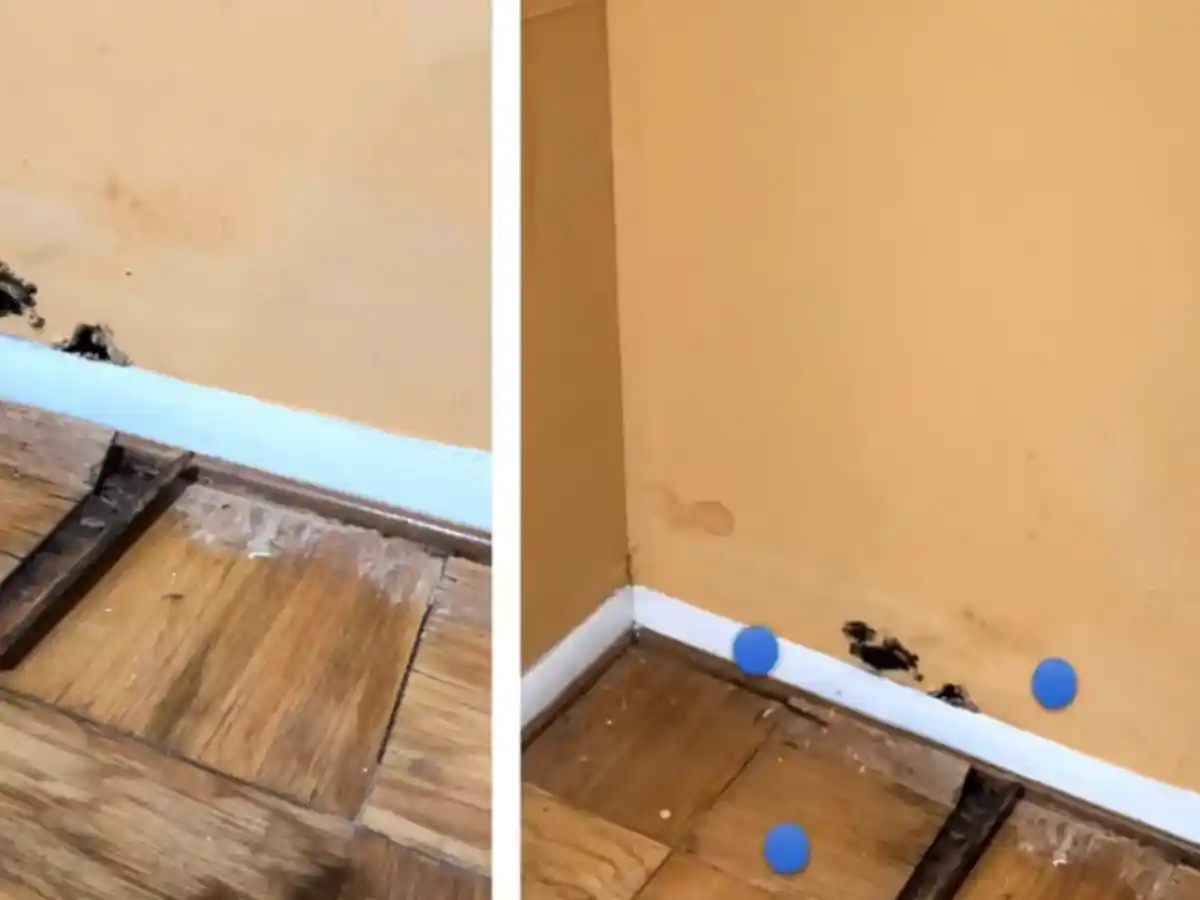
Mold on walls, storage items, or flooring in an enclosed space.
Odor noticeable specifically in a garage-level or lower room.
A known history of water intrusion in the space.
White mineral deposits suggesting ongoing moisture through concrete.
Assess growth extent and moisture source, including groundwater.
Seal off the space given its already-limited airflow.
Clean or remove affected material and contaminated stored items.
Recommend ventilation improvements to prevent recurrence.
 Cost Ranges
Limited growth, standard removal.
Larger area or growth tied to ongoing groundwater intrusion.
Spaces with ongoing groundwater intrusion often need moisture-source mitigation alongside mold removal to prevent recurrence.
Related ServicesFor active flooding in the same type of enclosed space.
Confirm species and extent before or after removal.
Most homes are slab-on-grade without a true basement, but garage-level and enclosed lower spaces face similar mold risk from limited airflow and moisture.
It depends on the material — porous items like cardboard or fabric stored in an affected space are often more contaminated than the structure and may need discarding.
In many cases, yes — since limited airflow is often the underlying condition that let mold establish in the first place.
Yes, we note any low-mounted outlets or panels that may be affected by the same moisture, even though electrical repair itself is outside our scope.