Serving Tarpon Springs and surrounding Pinellas County, 24/7 dispatch with a documented, written assessment before any work begins.
Soot is acidic and can continue etching into paint, metal, and some fabrics the longer it sits, which is why quick cleanup matters even for a fire that seemed relatively small or contained. What looks like a light gray film in the first day can become a harder, more stubborn stain within a week if left untreated.
Different materials burned in a fire leave different soot types — protein-based soot from a kitchen fire, for instance, is nearly invisible but has an extremely strong odor, while synthetic-material soot leaves a heavier, oilier residue that smears if wiped with the wrong technique. We identify the soot type before choosing a cleaning method, since using the wrong approach can actually push residue deeper into a surface.
HVAC systems need particular attention during soot cleanup, since ductwork can recirculate residue throughout a home for weeks after a fire if it isn't cleaned as part of the overall job. A common reason homeowners see soot reappear on surfaces they'd already cleaned themselves.
Contents cleaning — clothing, electronics, furniture, and personal items — is handled separately from structural soot cleanup, since each material category needs a different approach and some items are more cost-effective to clean than replace, which we assess item by item rather than as a blanket recommendation.
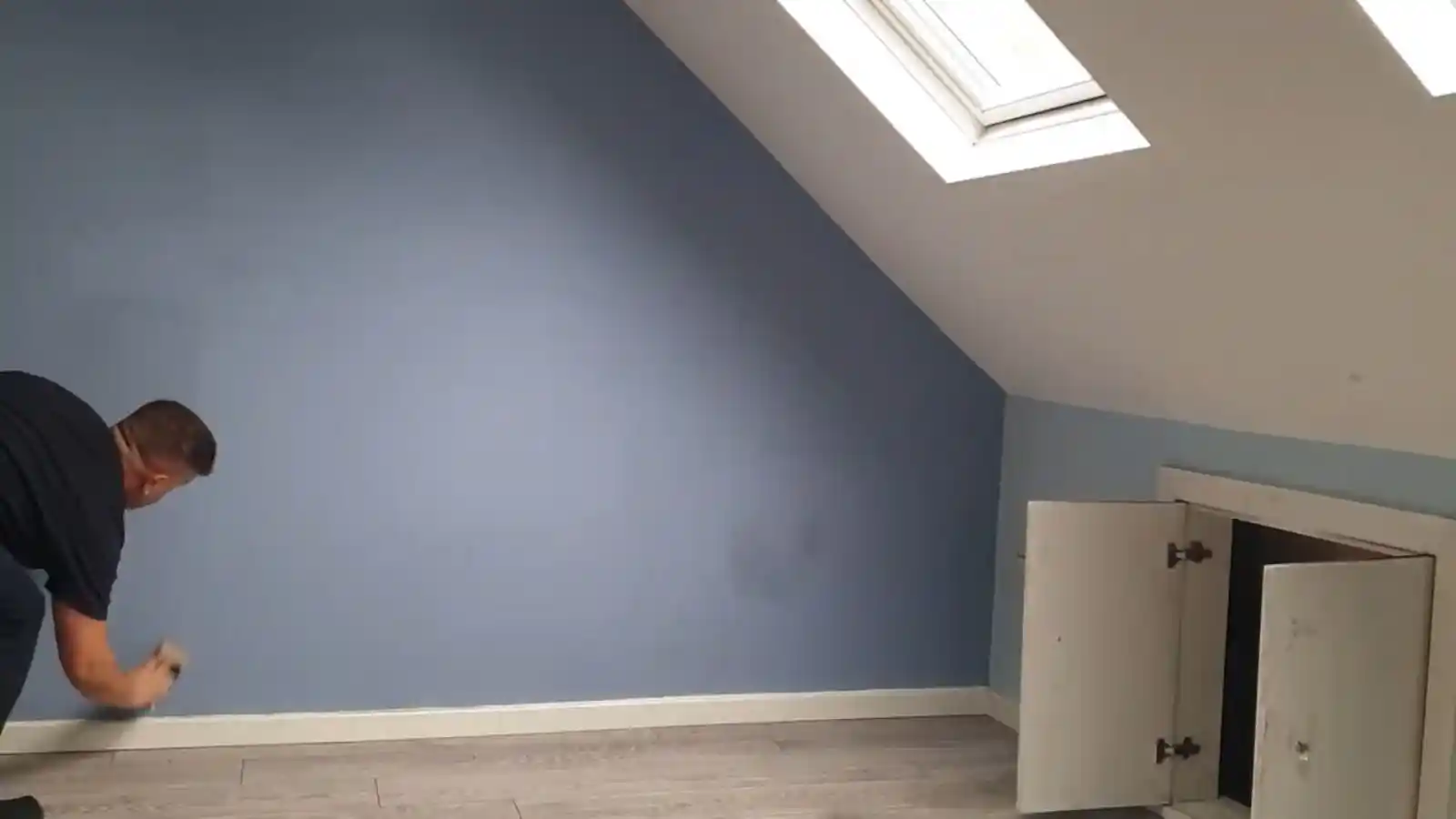
We test a small area before committing to a full cleaning method on any given surface, particularly for painted walls, upholstery, or finished wood, since some combinations of soot type and surface finish respond better to dry-sponge techniques than wet cleaning, and using the wrong one first can set a stain rather than lift it.
Metal fixtures and hardware are treated separately from painted or fabric surfaces during soot cleanup, since acidic soot residue can begin corroding unprotected metal within days, faster than it visibly stains paint or fabric.
We also pay attention to how long soot has been sitting before we're called, since acidic soot residue becomes progressively harder to fully remove without staining the longer it's left untreated. A cleanup started within the first day or two after a fire generally has a meaningfully better outcome than one that begins a week or more later, which is part of why we prioritize soot cleanup calls close to the original fire date.
A common misconception is that soot cleanup is primarily a cosmetic issue. Beyond the visible residue, soot particles are small enough to be inhaled and can settle deep into fabric, HVAC filters, and even food-contact surfaces in a kitchen, which is part of why a thorough soot cleanup addresses more than what's immediately visible to the eye.
We also check smoke detectors and any built-in fire suppression equipment for soot contamination as part of a thorough cleanup, since these safety devices can be compromised by residue in ways that aren't obvious from a quick visual check.
Even after a professional cleanup, it's worth doing a follow-up check a week or two later, since any residual odor or faint discoloration that appears after the initial work is easier to address quickly than if it's left to resurface months down the line.
Call now before it etches in further.
Film on walls, ceilings, or hard surfaces near the fire.
Oily or heavier soot that transfers onto skin or cloth.
Residue reappearing after a DIY wipe-down attempt.
Dark staining visible around supply or return vents.
Test residue to determine the correct cleaning approach.
Small-area test before full application to a surface.
Structural surfaces cleaned using the appropriate method.
Ductwork and affected contents addressed separately.
Walls and ceilings, no HVAC or contents involved.
Includes ductwork cleaning and contents assessment.
Skipping HVAC cleaning is a common reason soot and odor reappear after an initial cleanup.
Related ServicesBroader smoke assessment beyond visible soot.
Odor treatment once surface soot is removed.
If HVAC ductwork wasn't cleaned, it can recirculate residue for weeks. A very common reason DIY cleanup doesn't hold.
No, protein-based soot from a kitchen fire and synthetic-material soot need different cleaning approaches, and using the wrong one can set the stain deeper.
Often yes, depending on the material and soot type. We assess contents individually rather than assuming replacement is always necessary.
Yes, acidic soot residue can begin corroding unprotected metal within days, so we treat metal fixtures and hardware separately and promptly.